Using Back and Brawn to Build Community
While some African Americans in Butte were doctors, lawyers, and business owners, most Black residents worked humble jobs, using their backs and brawn to build homes, neighborhoods, and community. African American miners, waitresses, porters, cooks, maids, and seamstresses worked to keep the city afloat.
Prejudice largely accounts for the limited professions offered to minority communities. Black residents in Butte took those limits and patronized where they were accepted and comfortable. Thus, Butte once had three nightclubs, two shoeshine parlors, and two restaurants that served a strictly Black clientele.
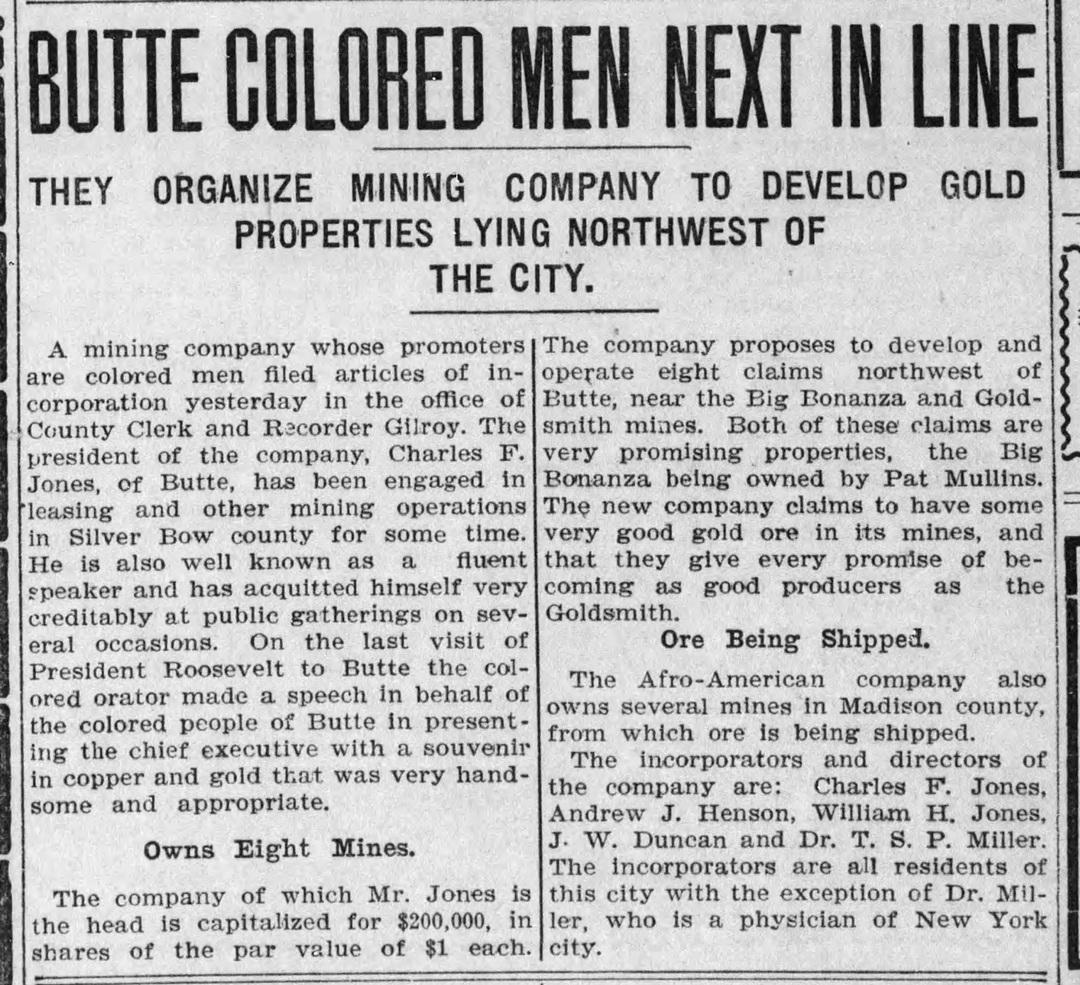
Mining was the most prominent, and arguably important, job in Butte. The city was founded off the capital and success of taking gold, silver, and copper from the ground. The profession was very dangerous; many risked their lives and thousands perished while traveling deep into the mines for work.
Although mining was not seen as a glamourous job, many mining companies would not hire the Black community solely because of the color of their skin. Marcus Daly, one of the three copper kings in Butte, was notorious for refusing employment to African Americans in his mines.
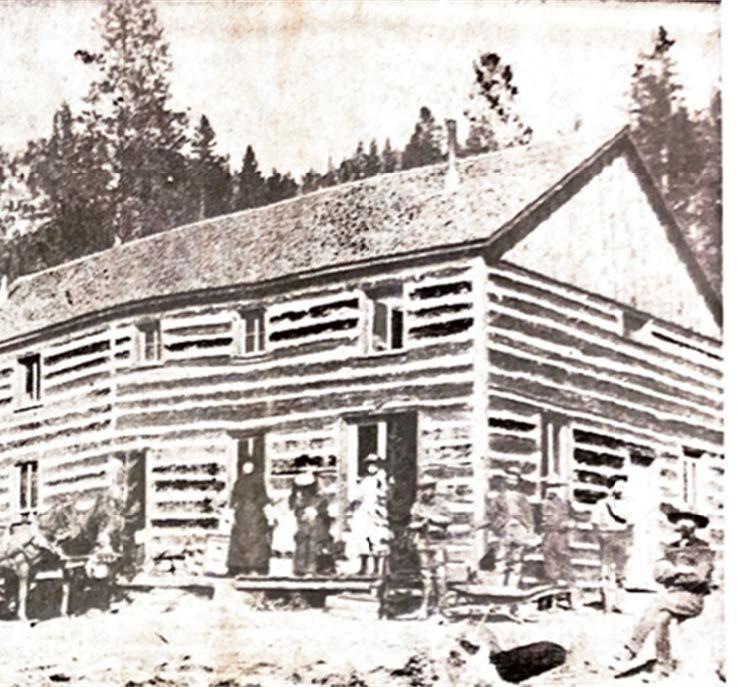
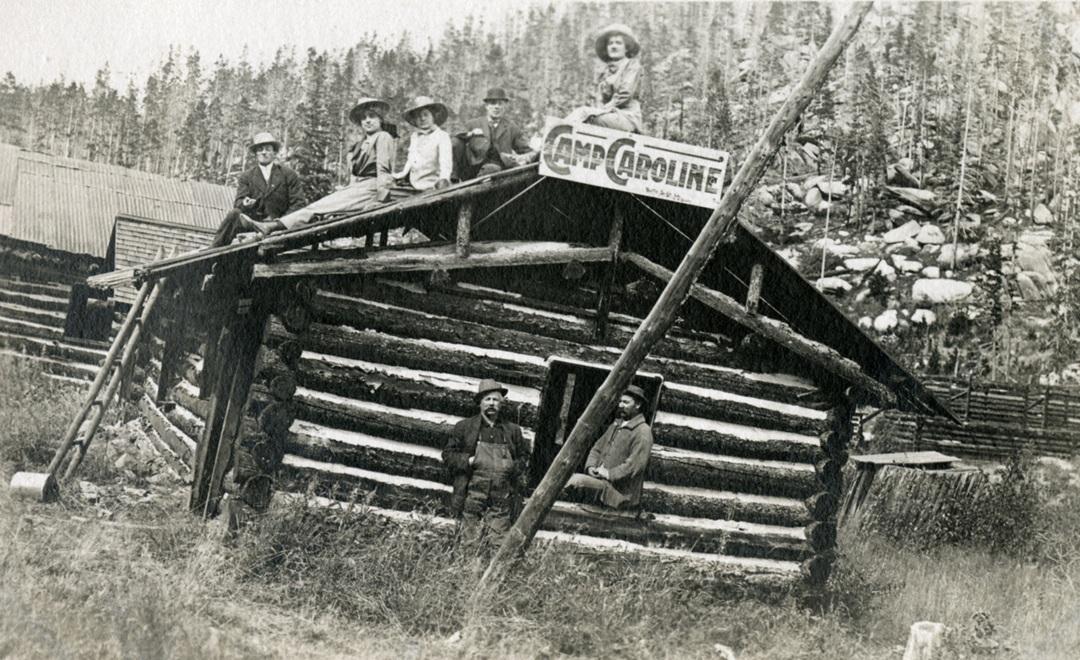
Camp Caroline, just west of the Continental Divide off Homestake Pass, was not geographically connected to Butte, but its cultural and business connections to the city and the Black community run deep. Richard Brown worked as a hoisting engineer at the Mountain Chief mine at Camp Caroline, one of the few African Americans to work as a miner in Butte. African American wood cutters produced firewood and timber for Butte’s residents and businesses. The Brown family operated a boarding house at Camp Caroline that served the miners and timber cutters within the Homestake area, and being the only place to eat in a fourteen-mile radius, racial differences were of little issue. The boarding house also served as a recreational center for the Black community. Many descendants of the Brown family still live in Butte and own the mining claims and land near Camp Caroline.
Images