Surface Water Contamination
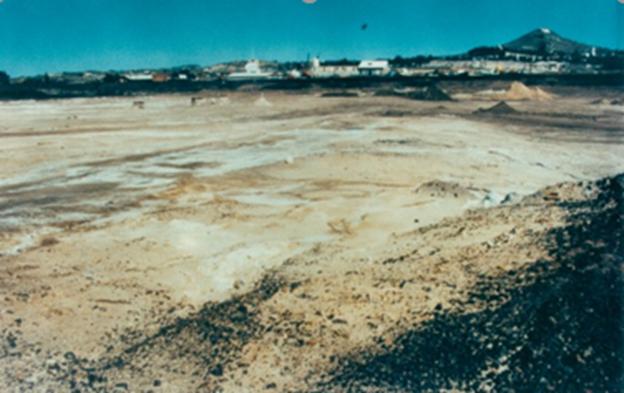
The surface water contamination in the 26-mile corridor from Butte to the Warm Spring Ponds was largely created by a 100-year flood in 1908, when floodwaters moved massive amounts of tailings from Butte mines and smelter operations down the creek.
The Anaconda Company learned its lesson and built the Warm Springs Ponds complex shortly thereafter. But the damage was done. Had it not been for the Superfund Program, these wastes would still be on the banks and in the streambeds of Silver Bow Creek and the Clark Fork River today.
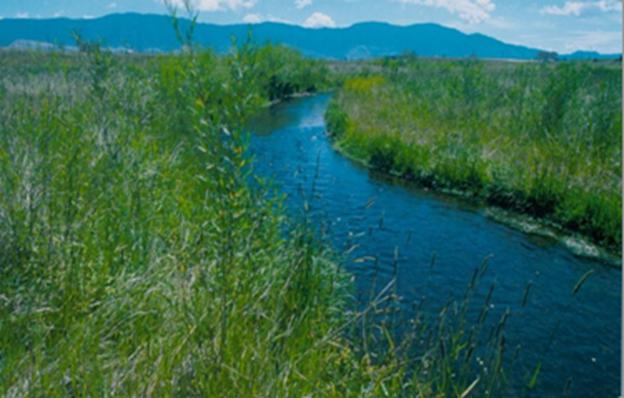
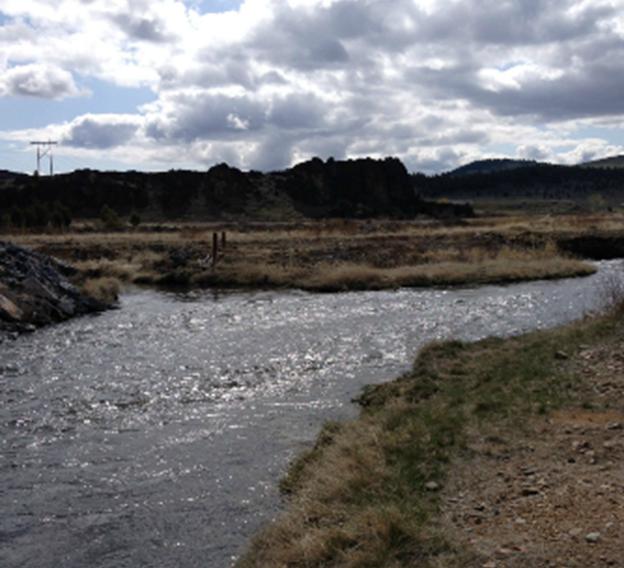
Instead, through an integrated approach of remedial and restoration actions, Silver Bow Creek has been substantially rebuilt. Millions of cubic yards of tailings and waste have been removed from the creek corridor, the streambed and banks re-built, new vegetation planted and now flourishing, and fish have returned to the watershed, an incredible transformation. Coupled with the remedial action, ecological investments have been made in the channel to create better habitat for fisheries and aquatic species, and access features (e.g., pedestrian trail, restrooms, trailhead parking lots, and more) have been installed so the public can enjoy the restored resources along Silver Bow Creek.
Images