Steam Electrification
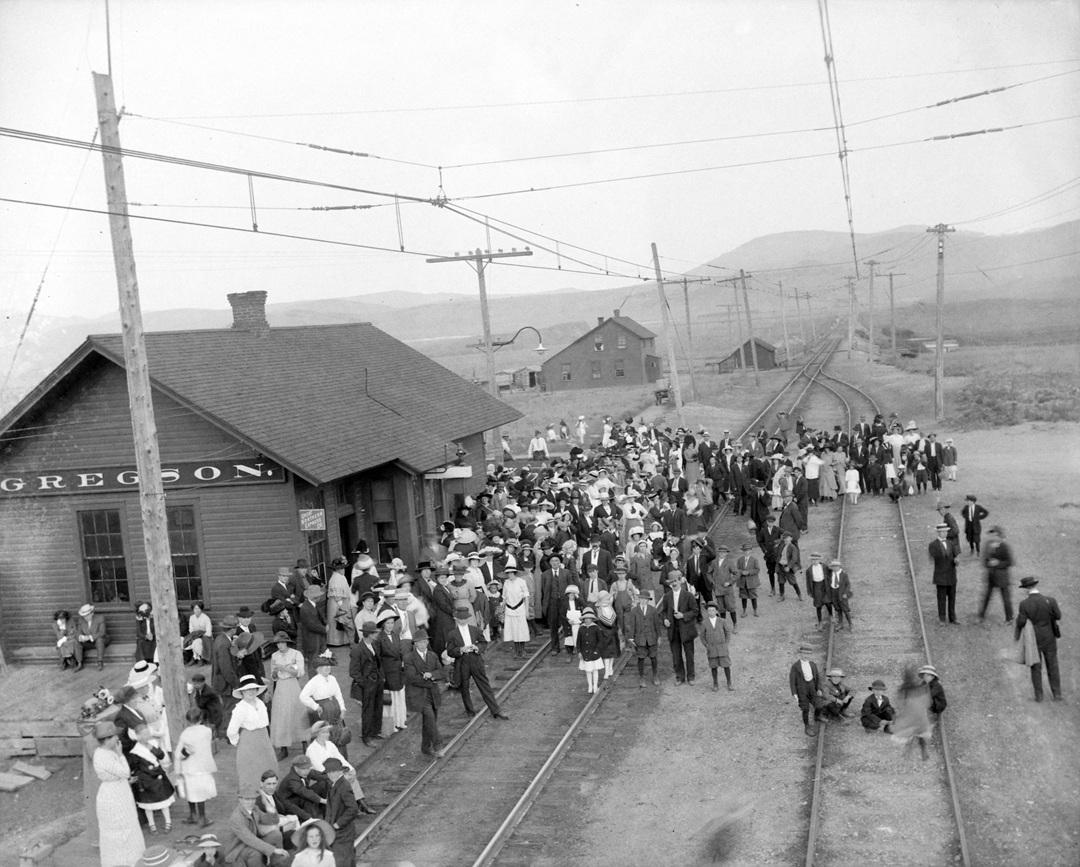
At the end of the nineteenth century a few steam railroads converted some lines to electric operation. Initially this was to eliminate locomotive smoke in long tunnels and later to reduce smoke in cities.
In the early 1910s, a few steam railroads with substantial freight traffic on mountain grades adopted electric traction for the primary reason of its greater efficiency. On busy rail lines, the lower cost of electric operation offered to more than compensate for the initial high cost of installing and then maintaining the complex network of poles, overhead wires, and substations. Three steam railroads pioneered electric traction across the full range of railway functions—heavy freight trains, switching, and passenger trains. Two were in Europe, one carrying iron ore in northern Sweden and Norway, and another hauling general freight north of Genoa, Italy. The third was in Montana: the Butte, Anaconda & Pacific Railway.
Images