Superfund Legislation
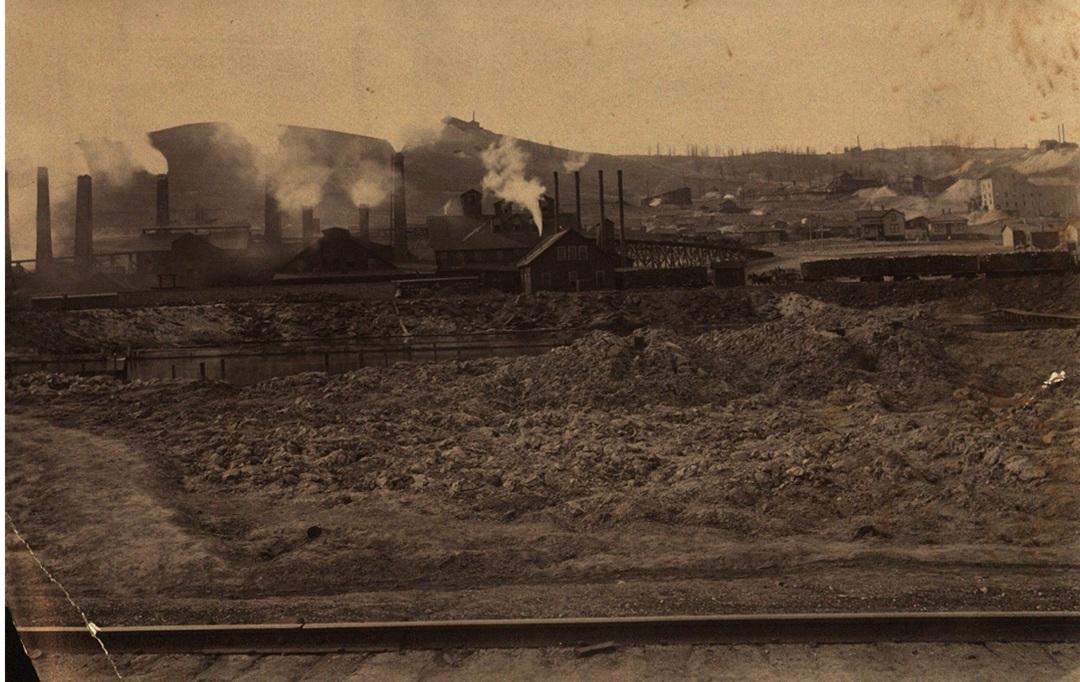
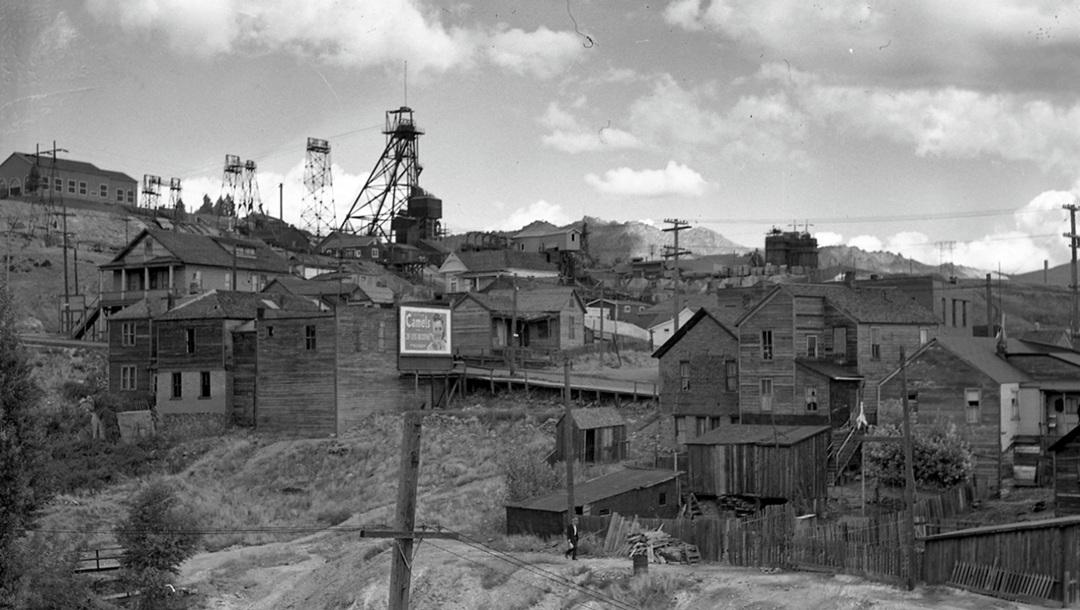
Until 1980, there was very little that could be done to abate and mitigate the adverse impacts of Butte's mining industry on residents and the environment. There were no laws that governed the historic mining activities, and no violations to enforce. Then things changed.
In 1980, the U.S. Congress, faced with mounting legacy pollution problems across the country (e.g., companies discharging toxic substances in public waterways and landfills), enacted a new federal law – CERCLA, the Comprehensive Environmental Response, Compensation, and Liability Act. The law is commonly referred to as Superfund because provisions of the statute created taxes levied on chemical and oil companies, among others, with proceeds deposited in an independent “fund.” This fund was used to empower the U.S. Environmental Protection Agency to identify and compel responsible parties to clean up hazardous sites, and to pay for cleanups at “orphan” sites where no liable party could be identified.
The Superfund statute is quite unique (and controversial) in that it can be enforced retroactively, after the pollution occurred and regardless of whether the polluter (aka, the responsible party) did or did not violate any other environmental laws when creating the hazardous conditions. For Butte, the ramifications of this new law were truly transformational in terms of addressing the pollution impacts of the past that would never have been dealt with otherwise.
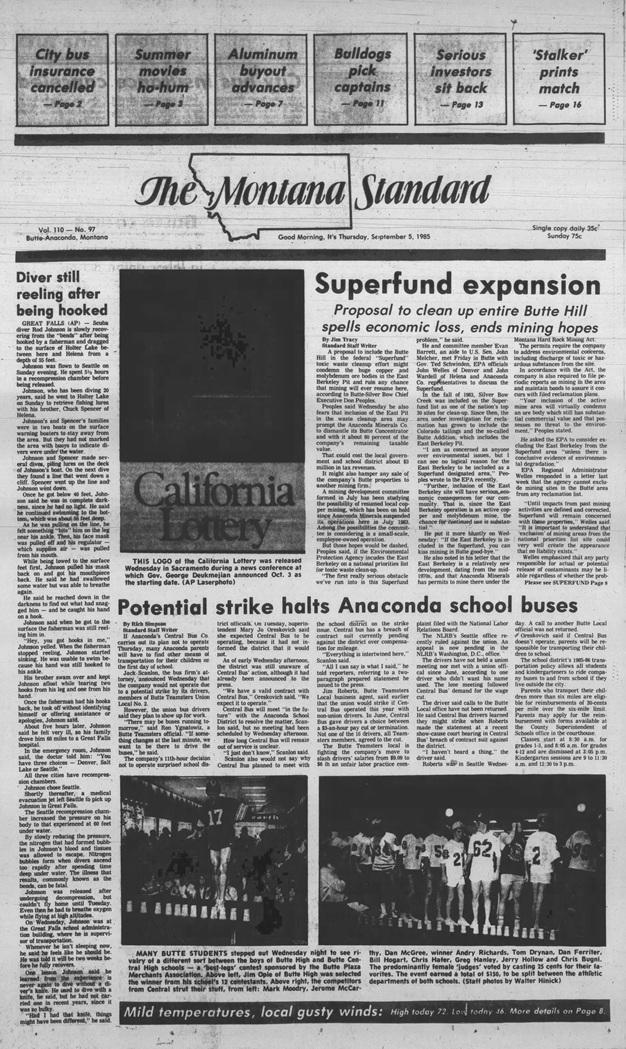
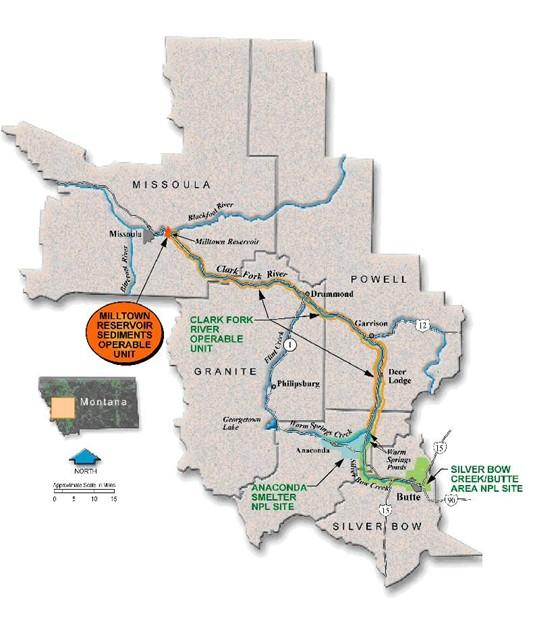
By 1983, the Butte/Silver Bow Creek Site, including the Berkeley Pit, was among the first sites placed on the Superfund National Priority List – the first of four regional federal Superfund Sites extending over 120 miles from Butte to the Milltown Dam in Milltown along and within the Upper Clark Fork River Basin. Then and still today, these four sites together constitute the largest Superfund site in the United States.
In a very significant way Butte’s Superfund story started a few years earlier, in 1976, when the Atlantic Richfield Company (now the British Petroleum/Atlantic Richfield Company, hereinafter referred to as ARCO) bought all Anaconda Company holdings. Hence, when CERCLA became law in 1980, ARCO was on the hook to pay for most of the Superfund cleanup actions in the Upper Clark Fork River Basin. Essentially, ARCO would have to pay the tab for all the pollution that occurred under decades of Anaconda Company ownership. Thus began what has now been an over 40-year journey of a multitude of remediation actions compelling ARCO to perform and manage soil and water cleanup work on the Butte Hill, the Berkeley Pit and the Silver Bow Creek corridor/watershed.
ARCO was also responsible for restoration damages in Butte and the Upper Clark Fork River Basin (the second part of CERCLA) that would ultimately lead to a multi-million-dollar ($188 million plus interest earned) settlement with the State of Montana. The funds have been used by the State since 1999, in concert with remedial work, to restore and replace damaged and lost natural resources in the Basin.
Images