Soil Cleanup
In telling the Superfund story about how decisions were made to clean up the soil in Butte, it’s important to understand just how prevalent the heavy metals were and remain in that soil.
Butte is often called the Richest Hill on Earth, mostly because of the millions and millions of tons of copper mined from the earth and used to fight world wars and electrify the nation. But the reality is that the earth underlying Butte is made up of many other elements. Butte’s soil and ore bodies contain molybdenum, gold, silver, aluminum, zinc, lead, manganese, iron, cadmium, and more, all of which, at one time or another, were mined in and around Butte. In addition, arsenic is attached to the ore bodies, which, when brought to the surface, created another serious environmental hazard.
Of course, not everyone considered the arsenic a problem. In fact, in 1889, when Copper King William Clark was confronted about the issue, he famously retorted, “there’s just enough arsenic there” that the women “are renowned wherever they go for their beautiful complexions.” The same William Clark, giving the final speech of his short tenure after having bought a seat in the US. Senate, related jousting with President Theodore Roosevelt and his Forest Service Chief Gifford Pinchot about the ill effects of mining and boasting how “Those who succeed us can well take care of themselves.”
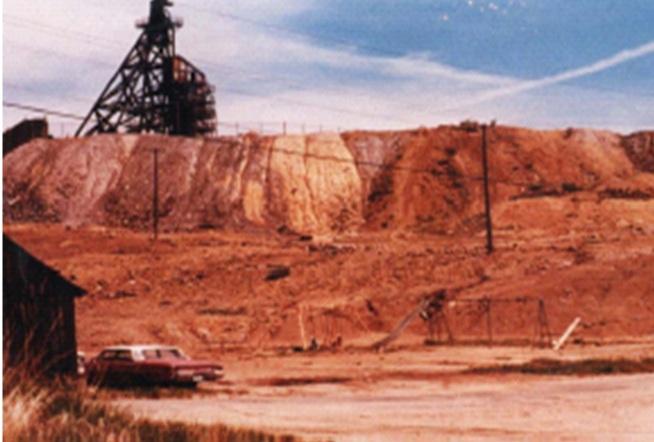
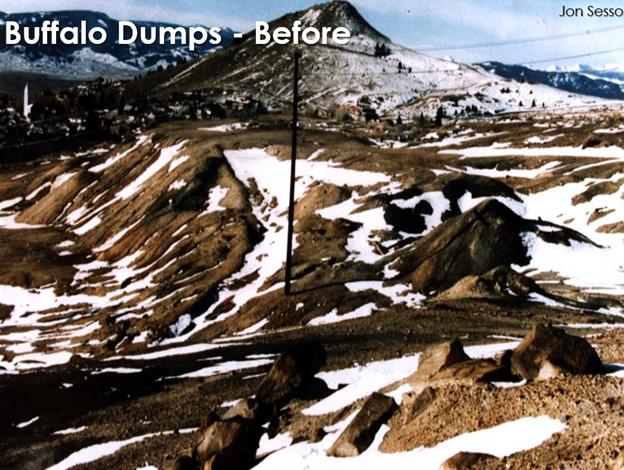
Compounding the issue of abundant heavy metals in the soil were past mining and smelting practices. From the giant Anaconda Company to the hundreds of individual miners prospecting their claims, the ore bodies would be brought to the surface, the precious metals separated out and sold off, and the spoils (i.e., tailings and waste rock) left on the ground or next to the stream to decay and erode as part of the landscape and environment. Further, those spoils would be used to backfill foundations for commercial buildings and residential homes, or as the base course for city streets and ballast for railroad corridors.
Along comes Superfund and the challenge of mitigating the adverse impacts of these heavy metals. What to do, and how to do it? Total removal was investigated and evaluated, but judged impractical. Then, how far down to dig? – there was really no bottom level where the heavy metal concentrations would be acceptable to protect humans and the environment.
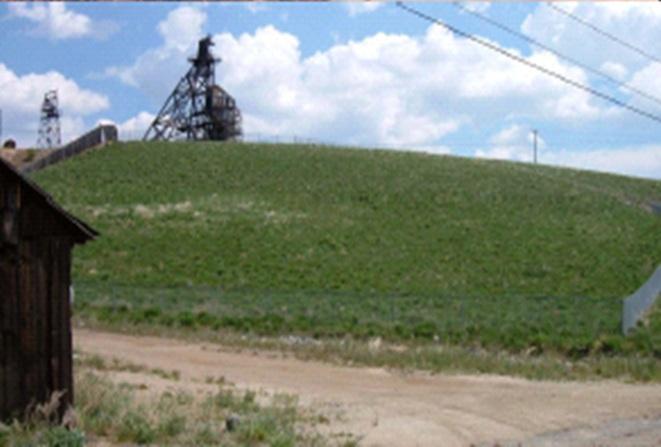
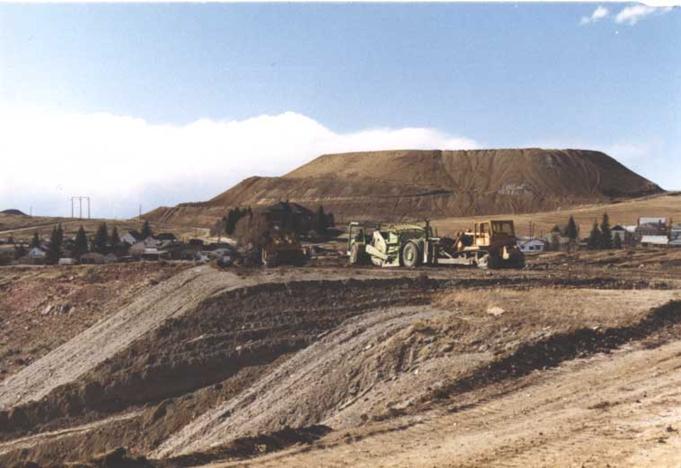
Consequently, the most prevalent soil cleanup remedy used in Butte has been a waste-in-place/capping technique: removing the top 18 inches of dirt which contains the highest concentration of metals and contaminants, regrading the surfaces to minimize erosion from stormwater runoff, importing clean fill materials (metals-free, to the greatest extent possible), and covering the surface with enough healthy (organic content) topsoil to support a vegetated “protective cap.” The caps are then monitored for performance and effectiveness to eliminate human contact with the heavy metals and stormwater runoff carrying metals down the steep pitch of the Butte Hill to the tiny, low-flow surface streams at the bottom, Blacktail Creek and Silver Bow Creek.
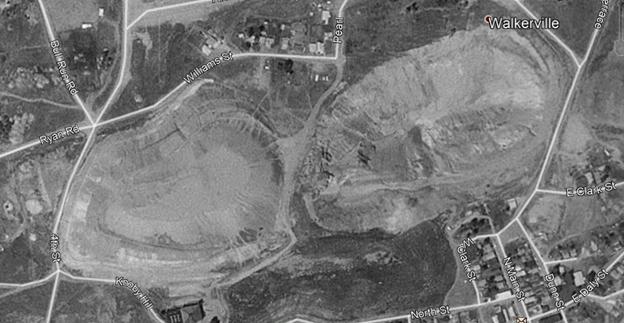
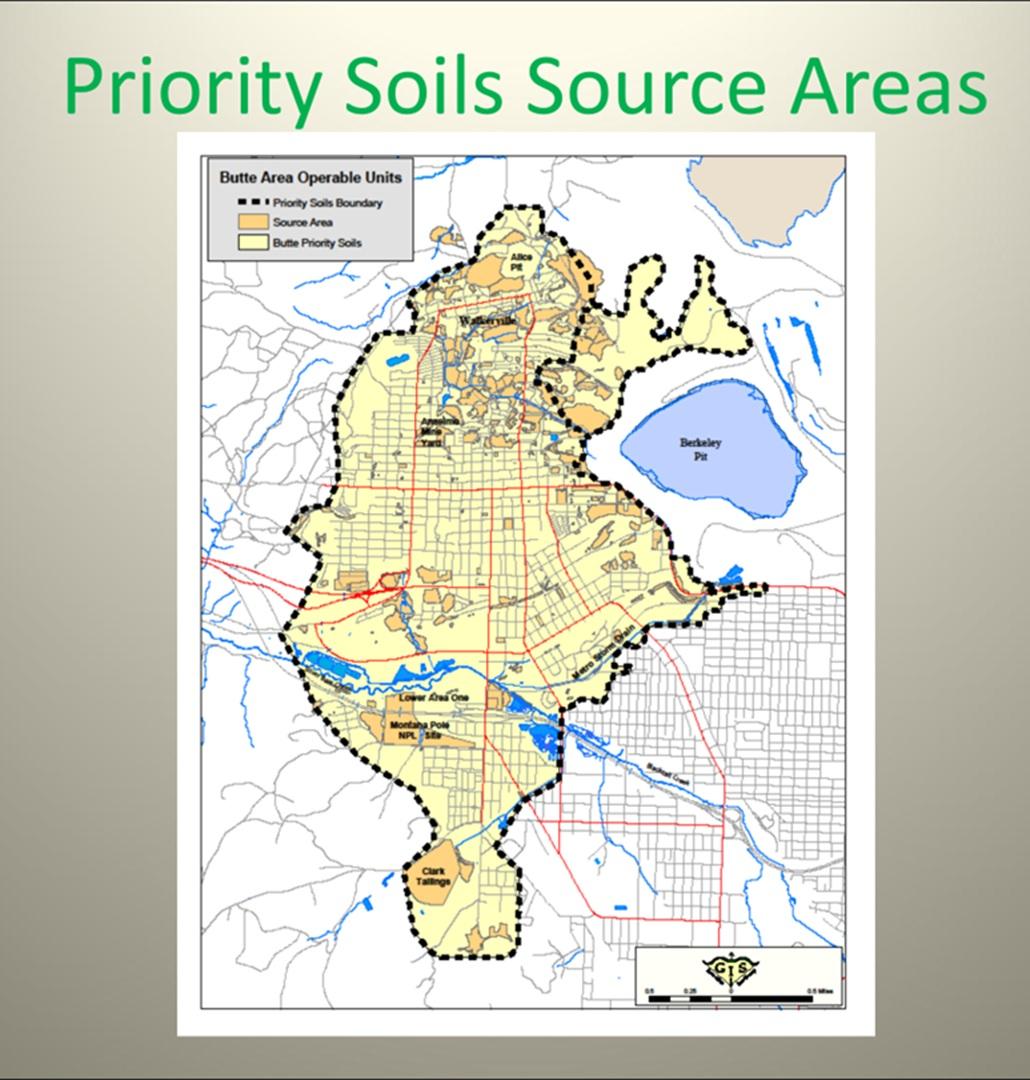
On the Butte Hill, there are approximately 200 individual mine waste source areas that have been identified, mapped, reclaimed and are now being monitored, ranging in size from one-half to 50 acres. Over the years, there have been fits and starts in learning how to build the protective caps properly and keep the vegetation in good condition. Many sites have performed well; several have not and have had to be redone periodically to meet performance objectives. This waste-in-place remedy requires a perpetual maintenance effort, which is managed and implemented by the local government and paid for by ARCO. Trust funds have been established to ensure the residents of Butte will never bear the cost of these maintenance activities.
Another important aspect of the waste-in-place remedy and an overarching chapter of the Superfund story is the community’s demand for beneficial end land uses of the capped sites and remediated areas. In other words, if the community is going to tolerate forever that the heavy metals are buried underground, there needs to be tangible, long-term benefits in compensation. The results have been significant throughout the community, including parks, open space areas and a multi-million-dollar Redevelopment Trust.
Images