Thornton Building
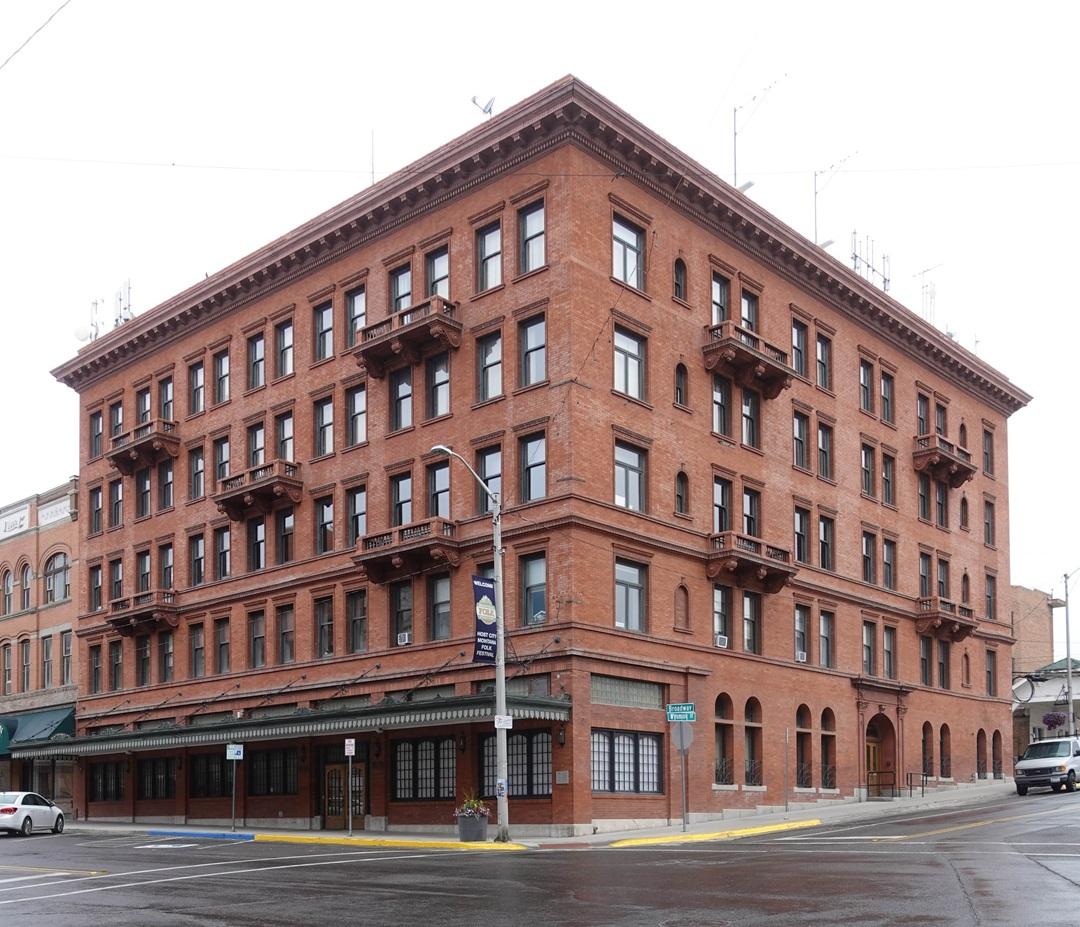
William D. Thornton, a graduate of the Columbia University School of Mines in New York City, was a close associate of John D. Ryan. Thornton served as an officer of several of ACM’s subsidiaries, helped Amalgamated take control of F. Augustus Heinze’s copper properties in Butte, and helped Ryan form the Montana Power company.
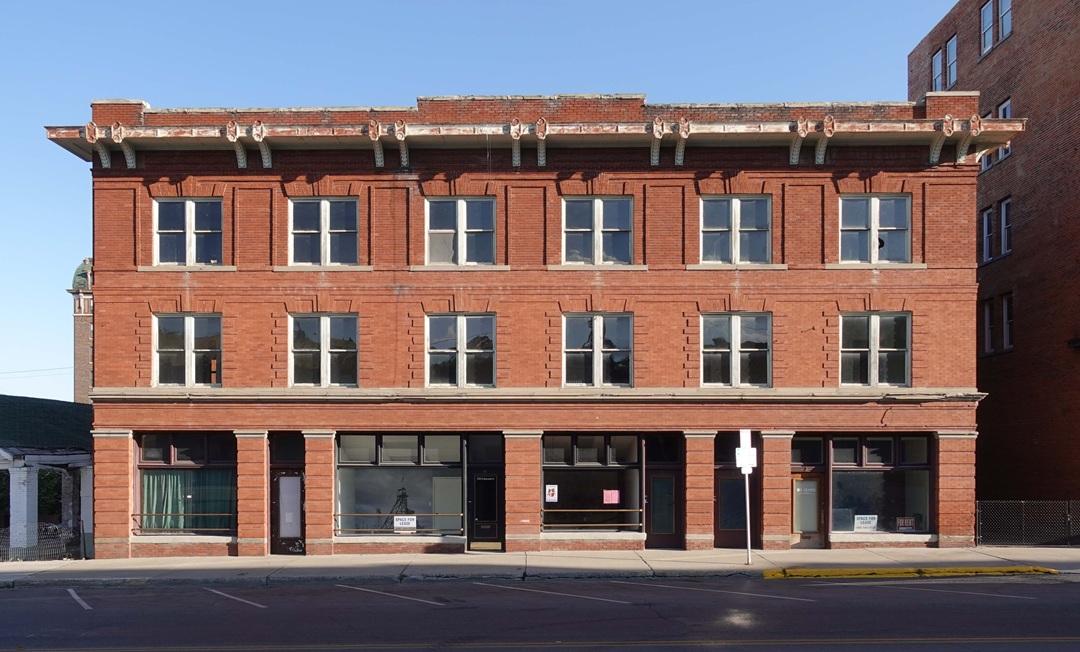
Born in Deer Lodge in 1870, W.D. Thornton was the son of John C.C. Thornton, who had been a lawyer in Virginia before joining the Confederate Army when the Civil War began. After the war, Col. Thornton, as he was widely known, moved to Deer Lodge and practiced law. He moved to Butte in 1875 and began to invest in mines. He developed the Gagnon mine, just north of the Silver Bow County Courthouse, and it became one of the important early copper mines in Butte. When he sold the Gagnon to the Colorado Smelting & Mining Company, he became one of the company’s major stockholders. John Thornton died in 1887. In about 1890, his estate built a hotel on East Broadway. That building and other properties of the Thornton estate were managed by his widow and his son, William. In the late 1890s, the estate decided to build a much larger and grander building immediately to the east, at the northwest corner of Broadway and Wyoming. W.D. Thornton managed the development.
W.D. Thornton first entered ACM circles in 1906 when he helped Ryan and Ryan’s close associate, Thomas F. Cole, establish two new companies to acquire Heinze’s copper properties and operations in Butte: the Butte Coalition Mining Company, which would own Heinze’s companies; and the Red Metal Mining Company, which would be the new operating company owned by Butte Coalition. Thornton was vice president of Red Metal. Thornton next helped Amalgamated acquire the Greene Cananea Mining Company in Mexico. In 1908, Thornton, working on behalf of Amalgamated interests, signed a contract to build a new smelter at Tooele, Utah, to smelt ore for the Utah Consolidate Mining Company. This became the Utah smelter of the International Smelting & Refining Company. Ryan, on behalf of Amalgamated, acquired controlling interest in the Alice Gold & Silver Mining Company in 1910 and named Thornton to the board of directors. Ryan combined two copper-mining companies in Arizona in 1911 to form the Inspiration Consolidated Copper Company, and Thornton was made vice president. When Ryan incorporated the new Montana Power Company in 1912, Thornton was on the original board of directors. Later in the 1910s, Thornton moved New York City to work in ACM headquarters as a member of the board of directors. He died in 1953.
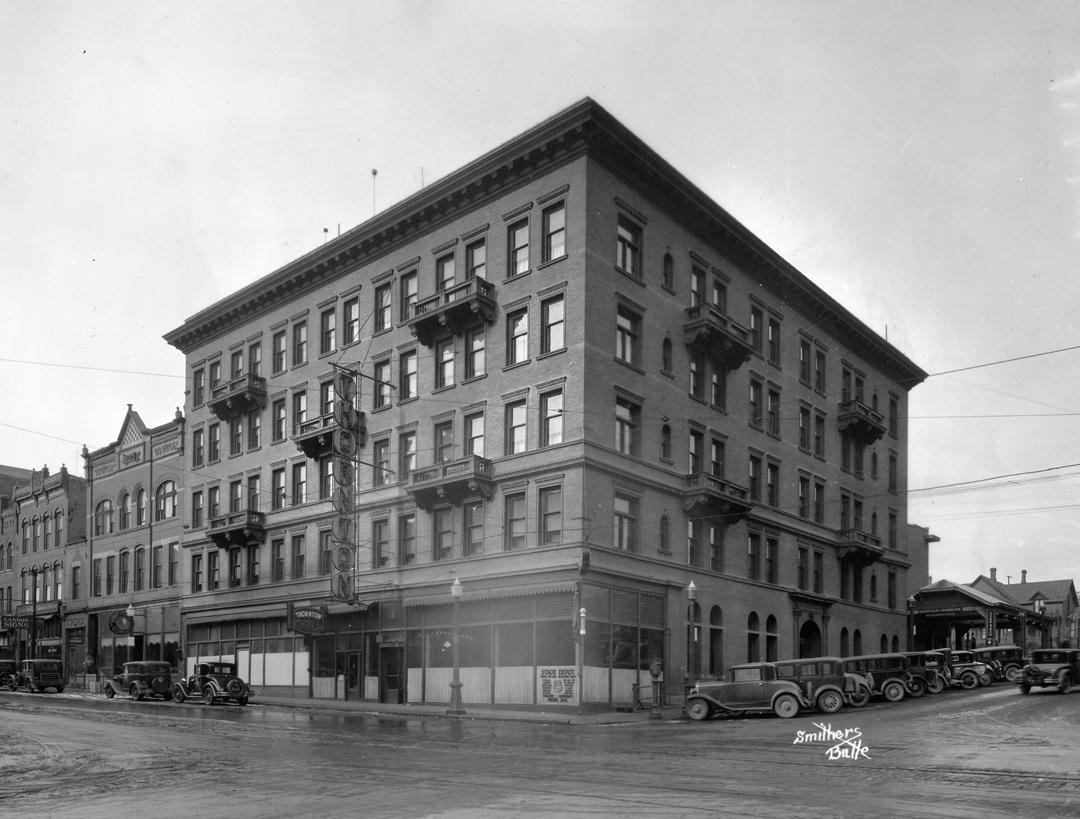
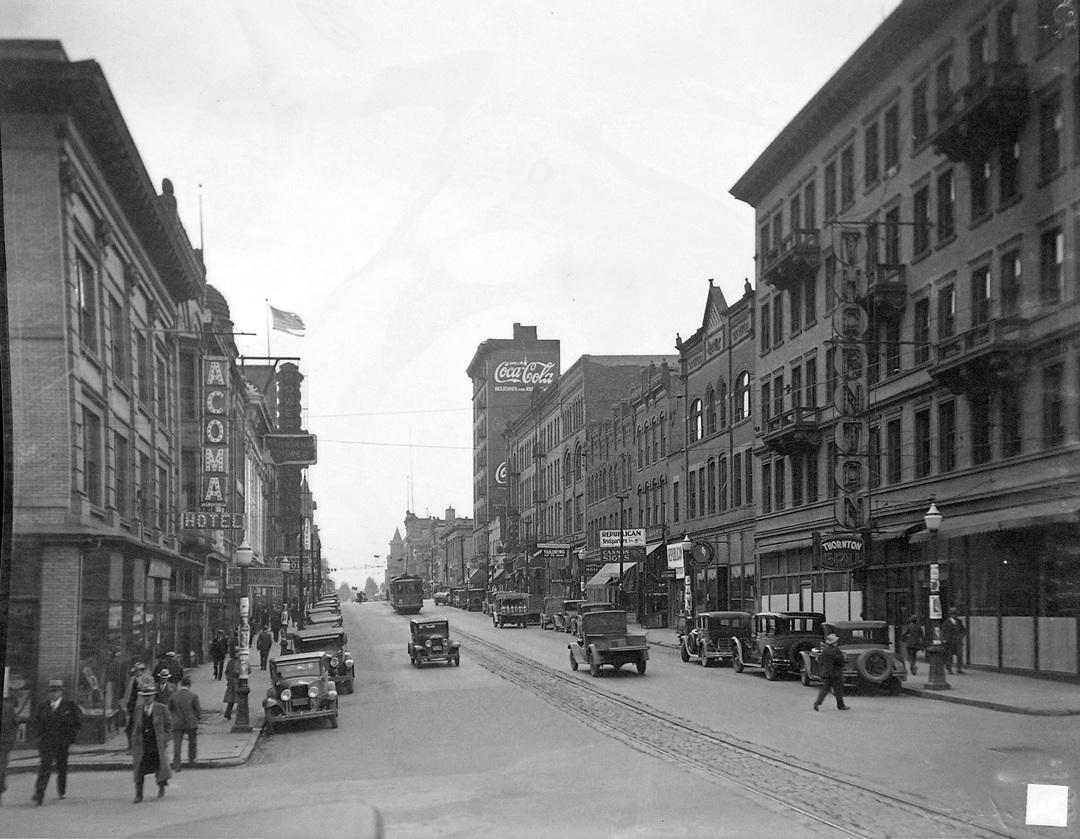
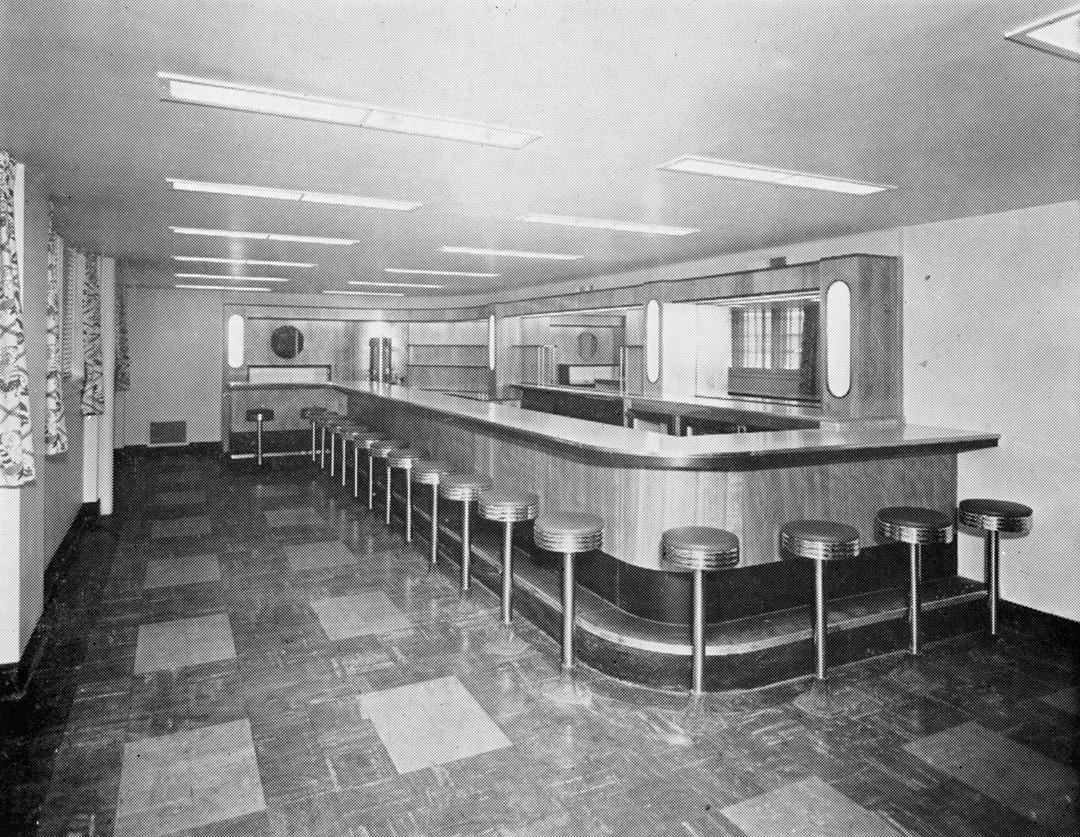
The Thornton Hotel was designed by architects White and Lignell of Butte and was intended to be one of the finest hotels in Butte. (Architect Anton Lignell, a Finnish immigrant, designed several other large Butte buildings, including the Hirbour Block at Broadway and Main, before he moved to Duluth, MN, and continued his architectural practice there.) In August 1899, shortly after excavation for the Thornton Hotel began, workers struck a rich vein of copper ore, briefly delaying construction. When the hotel opened for business in May 1901, one of its features was a bowling alley in the basement operated by I.A. Heilbronner. The Thornton closed as a hotel in 1932 and sat vacant for a few years. The State Liquor Control Board moved its East Broadway store across the street and into the Thornton Hotel in December 1936. ACM bought the Thornton Hotel in late 1945 and announced plans to remodel the building to serve as an employees club. The new club, featuring a refurbished bowling alley, game rooms, snack bar, ladies lounge, and a theater-ballroom suitable for large dinners, opened in March 1947. The building is currently owned by an individual who rents out office spaces.
Images