McGlone Heights

As ACM embarked on the Greater Butte Project in 1947, which led to sinking the Kelley shaft and developing a block-cave operation to extract greater volumes of low-grade ore from underground workings, the company also began real estate developments in Butte to enhance the housing available for miners and their families.

The work was undertaken by Kenwood Realty Company, an ACM subsidiary with offices in the Tuttle Block, in cooperation with the Butte Development Association (BDA). The first projects were the construction of dozens of houses on the Flat in the Grand Avenue Addition and the Development Addition.

Construction of the 125 houses in McGlone Heights, in the northwest part of Butte, north of Lexington Street and along both sides of North Excelsior, employed partially prefabricated structures made by Farwest Homes, which had a factory at Chehalis, WA, south of Olympia. Farwest Homes was a company started by Willard A. Wollander, a native of Minnesota. He had attended college, but he had no formal training in architecture. In 1940, at age 34, Wollander and his family moved to Olympia, where he started a lumber yard and building-supply business. He soon started contracting and marketing house designs. He moved to Tacoma in 1948 to expand his business. About the same time, he started a business making prefabricated houses, establishing a factory in Chehalis and selling his structures along the Pacific Coast and as far east as Ohio. Contractors working on houses in McGlone Heights were able to place three foundations each day and complete several houses each week. The houses in the Development Addition were also prefabricated by Farwest Homes. Kenwood Realty sold many of the houses as soon as they were completed, and it retained others as rental property.

McGlone Heights was named for Edward S. McGlone in August 1952 at a dinner given in his honor on the occasion of his being named executive vice president of ACM. Born in Nebraska in 1899, McGlone graduated from the Colorado School of Mines in 1923, after which he moved to Butte to work for the Davis-Daly Mining Company. When ACM bought that company in 1924, he went to work as a mucker in the Tramway mine, progressing to sampler, shift boss, and foreman. From there, he moved up to general superintendent of mines, vice president of western operations in 1946, and executive vice president in 1952. During his time in charge of ACM’s western operations, he oversaw the launching of the Greater Butte Project and the conversion of the Thornton Hotel into the ACM Employees Club. He retired from ACM in 1968 and moved to Florida. McGlone, who died in 1973, was inducted into the Colorado Sports Hall of Fame posthumously in 1977; he was said to have been the “greatest football player ever to represent the Colorado School of Mines.”

Images
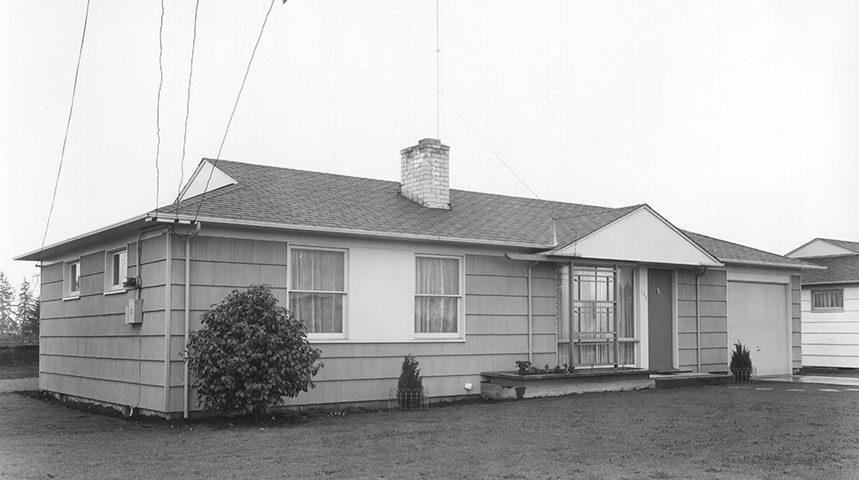
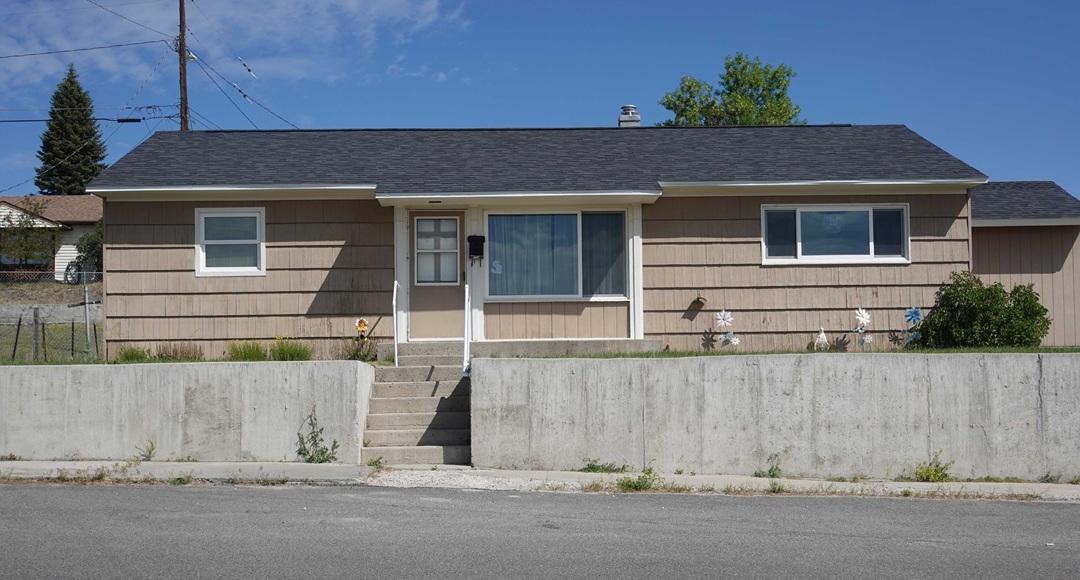
McGlone Heights, 825 14th Street
McGlone Heights, 825 14th Street Most of the houses in McGlone Heights still stand, but many have been remodeled or re-sided. This is one of the more intact examples of a Farwest Home in McGlone Heights; note the original cedar-shingle siding. Source: Fred Quivik, July 2025
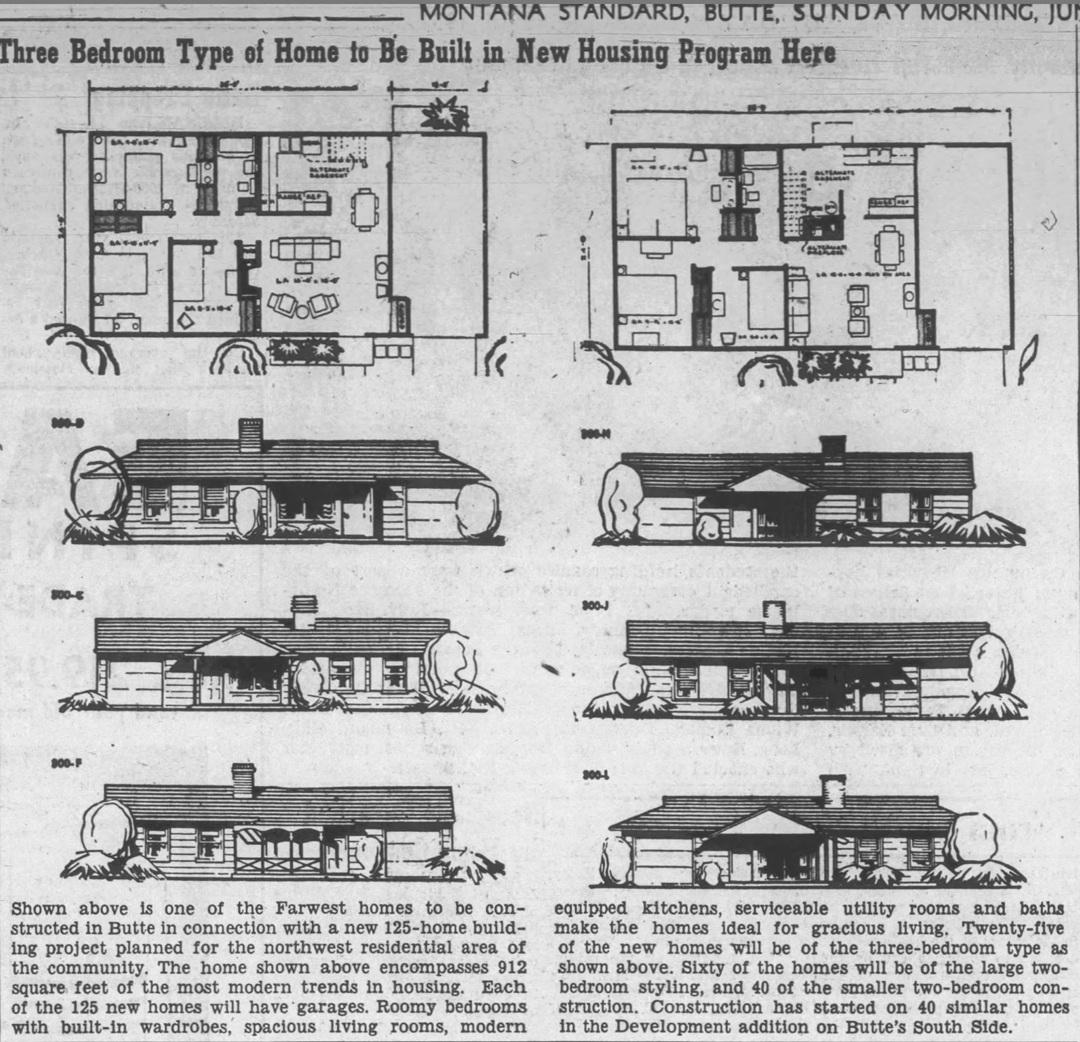
Illustration of Three-Bedroom Houses to Be Available in McGlone Heights
Illustration of Three-Bedroom Houses to Be Available in McGlone Heights This illustration shows the floor plans and the exterior treatments available for the three-bedroom Farwest Homes being built at McGlone Heights. Source: Montana Standard, 15 June 1952.
Farwest Home at Olympia, Washington
Farwest Home at Olympia, Washington This photo shows a Farwest Home built as part of the Keywest Housing Project in Olympia, WA, in 1952. Note the similarity of this house to the designs illustrated in the June 1952 Montana Standard feature on designs available in McGlone Heights. Source: Tacoma Public Library via webpage on Willard Wollander at Home - Docomomo Wewa
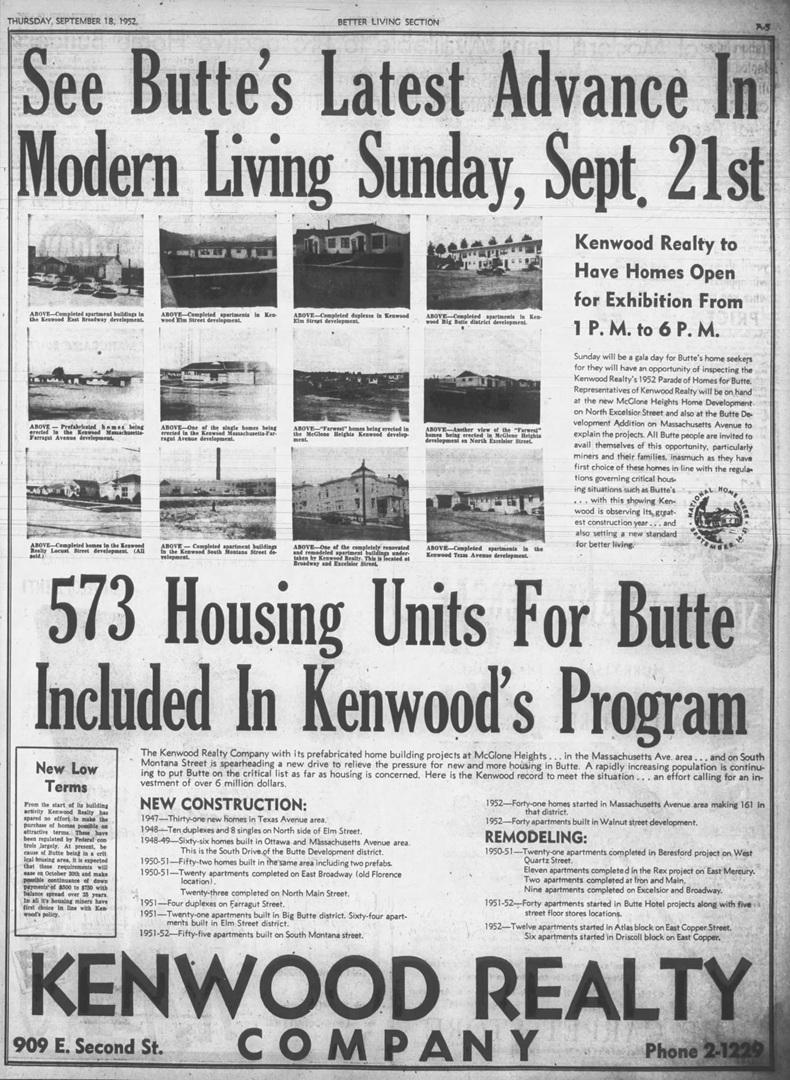
Kenwood Realty Company Advertisement
Kenwood Realty Company Advertisement This full-page advertisement for Kenwood Realty promoted the housing units coming available for sale or rent in McGlone Heights, the Development Addition, and other areas in Butte where Kenwood Realty and the Butte Development Association were building new units and remodeling existing units. Source: Montana Standard, 18 September 1952
Houses under Construction in the Development Addition
Houses under Construction in the Development Addition This photo shows several of the 161 houses being built in the development between Cobban and Ottawa on the Flat. Source: Montana Standard, 17 August 1952.
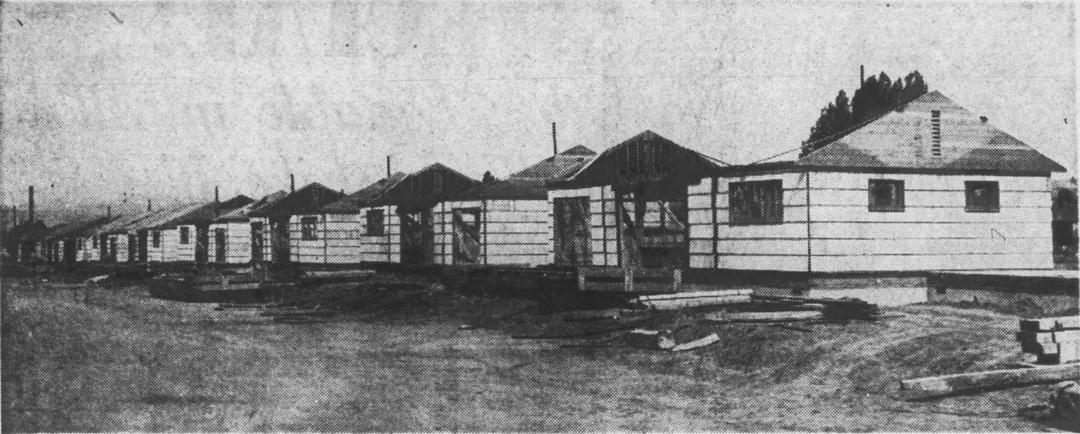
Houses under Construction in McGlone Heights
Houses under Construction in McGlone Heights This view to the southwest, toward Big Butte, shows Farwest Homes under construction and in various stages of completion. Compare the roof shapes with the designs illustrated in the Montana Standard in June 1952. Source: Butte-Silver Bow Public Archives, Smithers Collection, photo no. 30.057.01
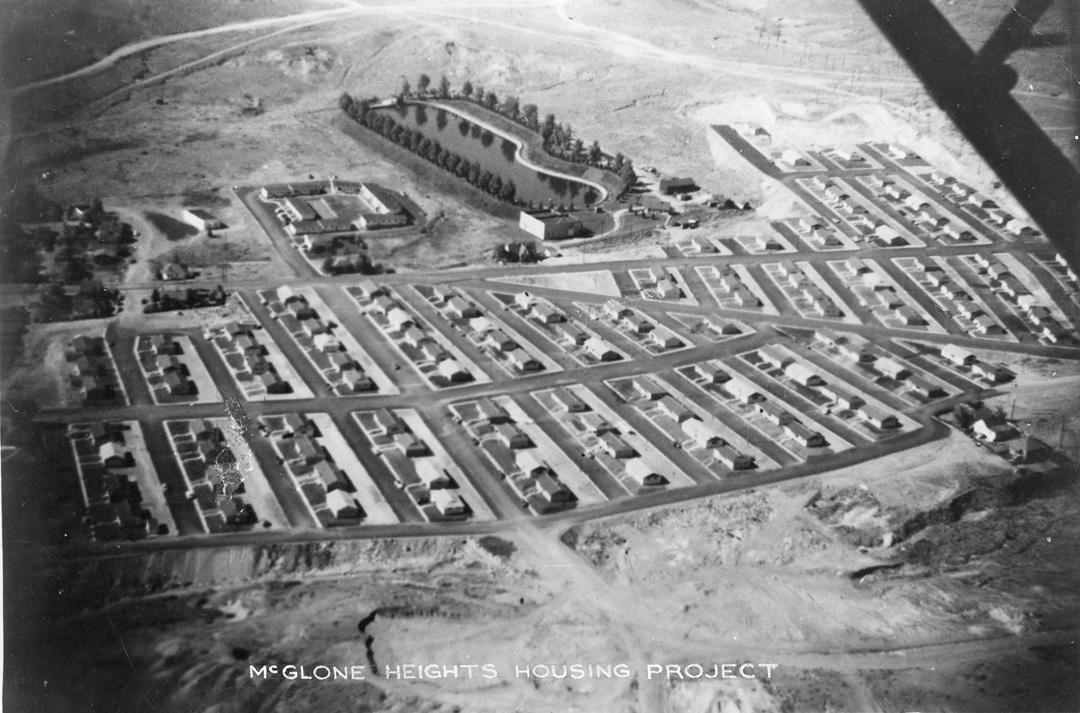
Aerial View of McGlone Heights
Aerial View of McGlone Heights This view to the west shows the final stages of construction of the McGlone Heights development. All the houses appear complete, curbs and sidewalks are installed, and grass is planted. Nevertheless, there are very few cars on the streets. Note the West Side Reservoir at center top of the photo. Just south (left) of the reservoir are the Prospect Addition apartments, another project of Kenwood Realty and the Butte Development Association. Source: Butte-Silver Bow Public Archives, photo no. 2006.082
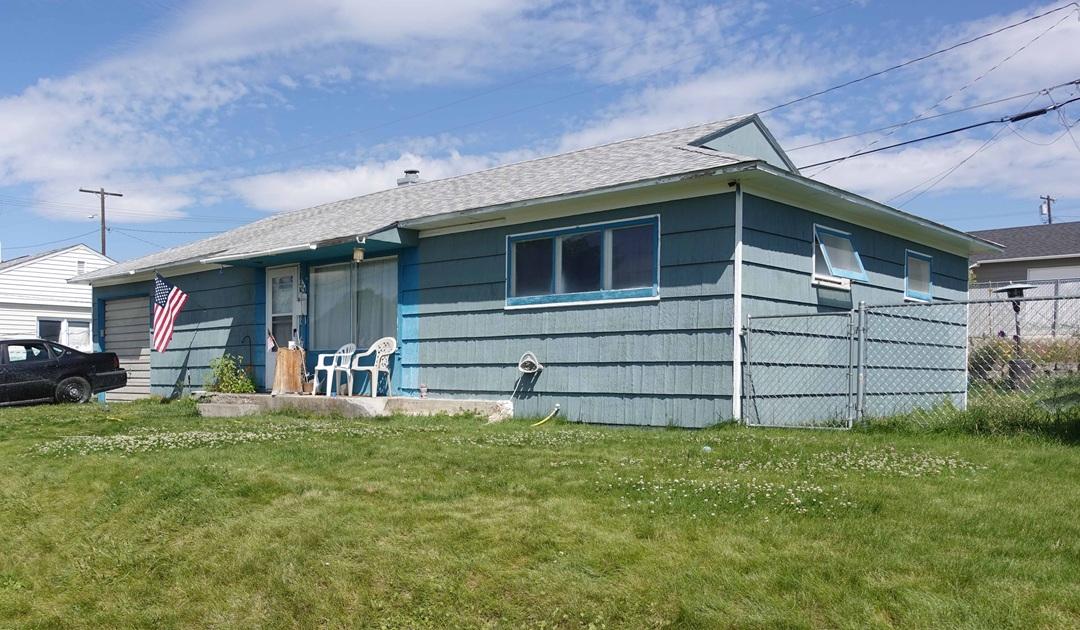
McGlone Heights, 705 Missoula Street
McGlone Heights, 705 Missoula Street This is another relatively intact example of a Farwest Home in McGlone Heights. Note the cedar-shingle siding. The retaining wall is of recent vintage. The aerial photo shows that the sidewalks in the yards at the southern portion of McGlone Heights originally had stairs near the curb, but the yards sloped steeply down to the curb at that point. Source: Fred Quivik, July 2025

Location

Map

Metadata

Fred Quivik, “McGlone Heights,” Story of Butte, accessed October 3, 2026, https://storyofbutte.org/items/show/3573.