Labor Unrest and the Anaconda Road
Butte’s first miners’ union was organized in 1878, when miners at the Alice and Lexington mines went on strike. The Alice Gold & Silver Mining Company and A.J. Davis acceded to the miners’ demands, and the Butte Workingmen’s Union formed.
The union movement grew, in part because the mining industry in Butte was rapidly growing at the time, with many new companies launching operations. Being in a remote part of the United States, far from population centers, Butte faced labor shortages, so the mining companies had to compete to find workers, putting labor unions in a strong bargaining position. The Butte Workingmen’s Union changed its name to the Butte’s Miners’ Union (BMU) in 1885 and helped to form local unions to represent other trades in the mining industry as well as trades working in the broader Butte economy. In 1886, the BMU assembled those other local unions into the Silver Bow Trades and Labor Assembly. The BMU hosted delegates from fifteen other mining districts in 1893 to form the Western Federation of Miners, with the BMU emerging as Local No. 1. At the turn of the twentieth century, unions in Butte represented such trades as brewers, beer wagon drivers, horseshoers, musicians, stagehands, and theater ushers, as well as miners, mill and smelter workers, and hoisting engineers. Butte was known as the “Gibraltar of Unionism.”
That setting for the union movement remained until 1910, when all the major mining companies in Butte were consolidated in the hands of the Anaconda Copper Mining Company, and suddenly that one company no longer had to compete with its peers for scarce labor. In 1910, ACM announced that it would no longer recognize the BMU as bargaining agent for the miners. Thenceforth, men seeking employment in the mines would have to obtain a “rustling card” from ACM, which would research the background of each applicant. The company refused to issue rustling cards to men it deemed troublemakers or union agitators. Union membership was no longer an avenue for employment in the mines. This ushered in a period of labor unrest in Butte, with miners trying to regain recognition of their union and with dissention growing in the union itself between conservative and radical members. Discord within the union led to the dynamiting of the Miners Union Hall in 1914. By then, war had broken out in Europe, and global demand for copper increased. ACM sought to increase production to meet that demand, but continuing labor unrest thwarted the company’s efforts. When the United States entered the war in April 1917, instituting conscription to draft soldiers, many miners in Butte resisted. The situation was compounded in June 1917, when a fire in the Granite Mountain mine killed 165 miners working underground. Frank Little, an organizer for the Industrial Workers of the World (IWW), arrived in Butte to try leveraging the Granite Mountain disaster to organize miners into a new industrial union. One night in August, masked men broke into his rooming house, tied him to the bumper of a car, and dragged him to a railroad trestle on the southwest edge of town, where they lynched him. No one was ever indicted for Little’s murder, but many in Butte believed he had been killed by ACM agents.
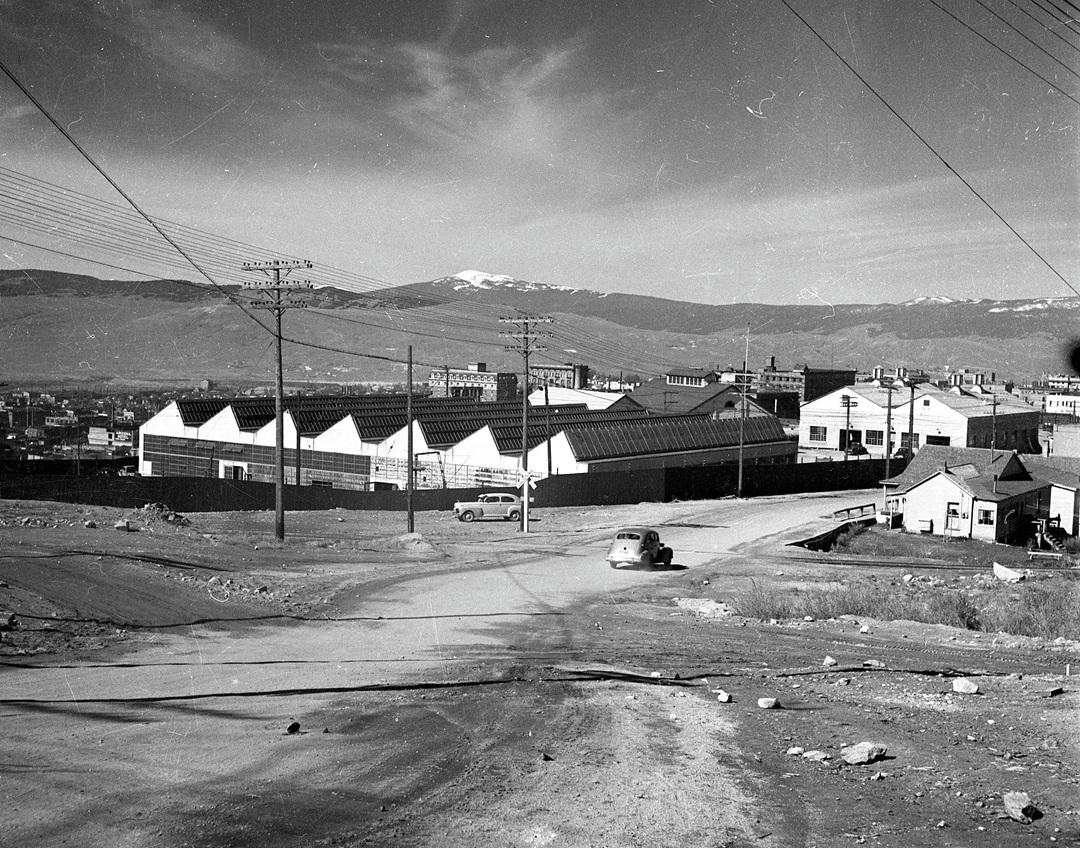
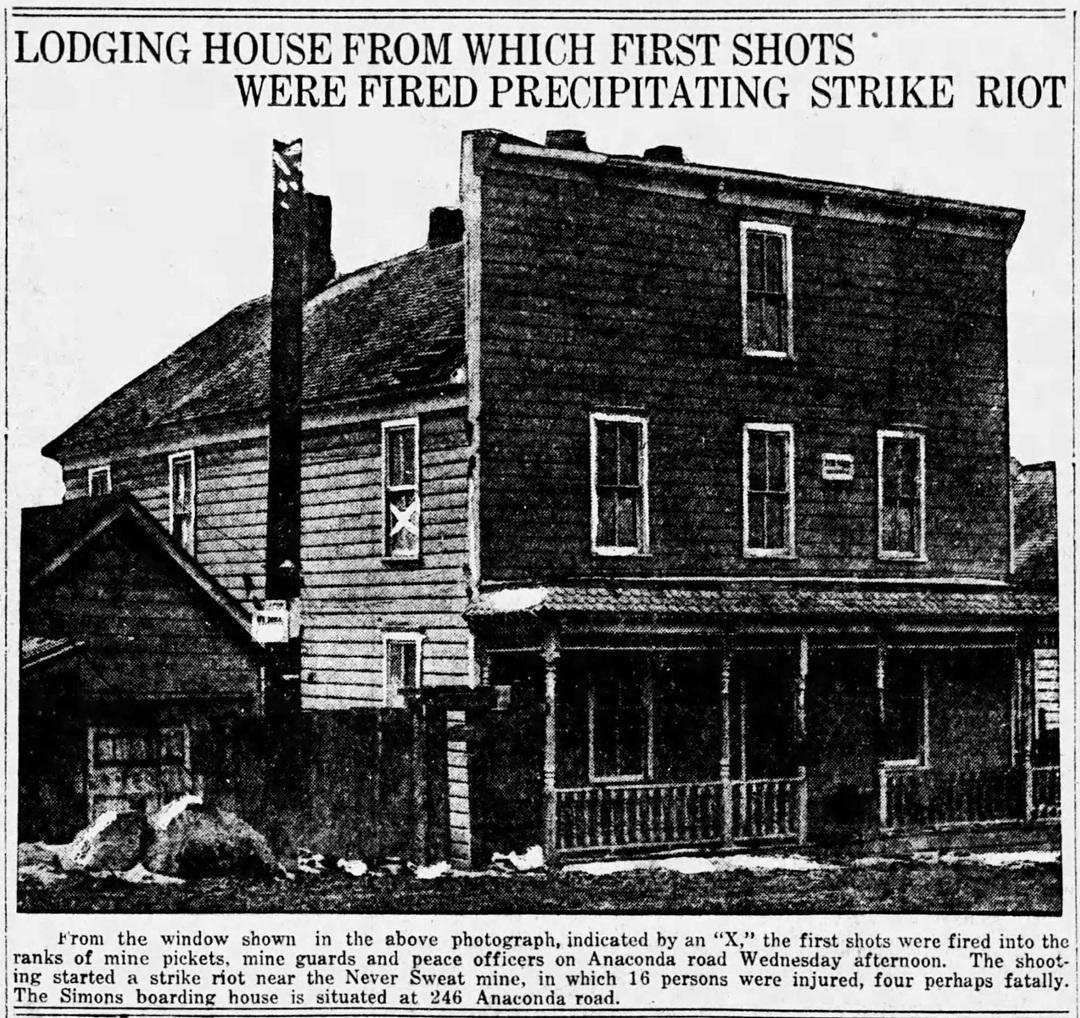
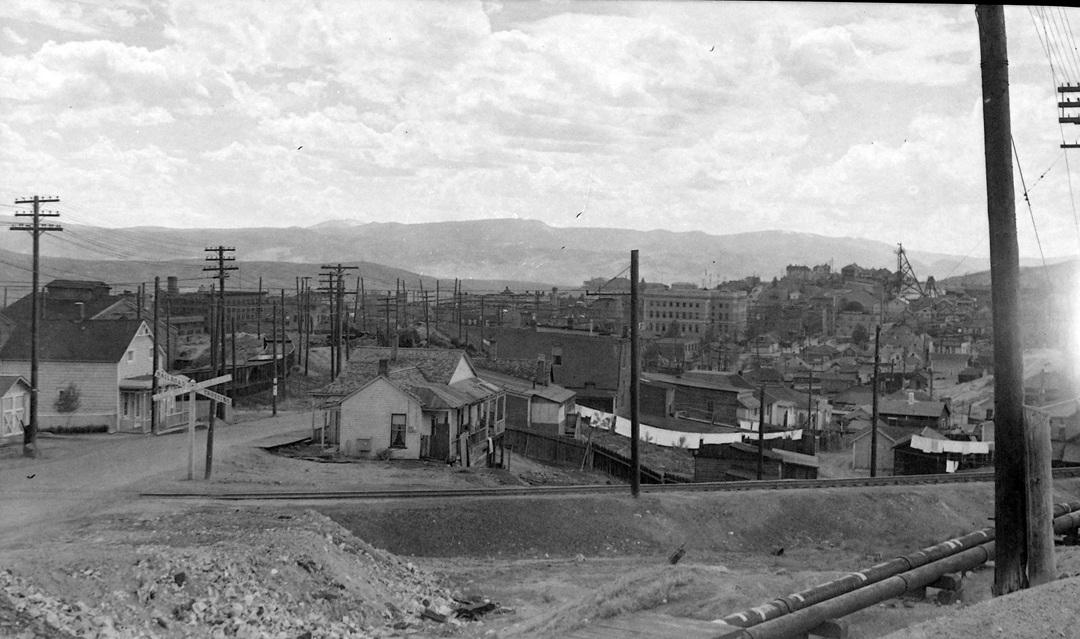
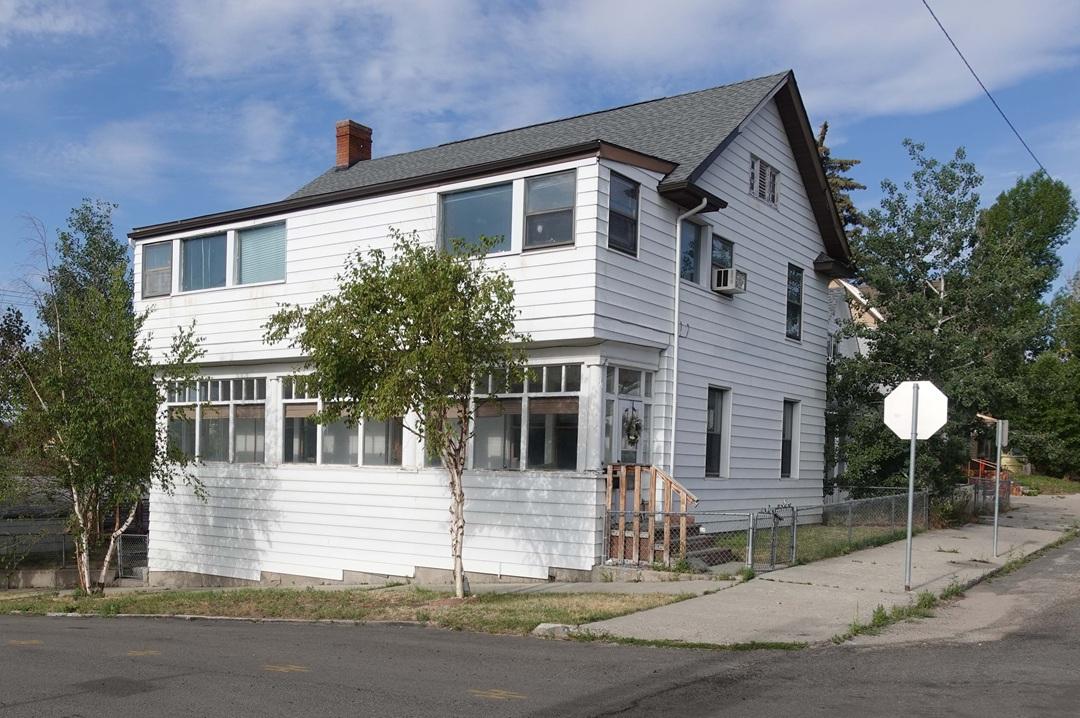
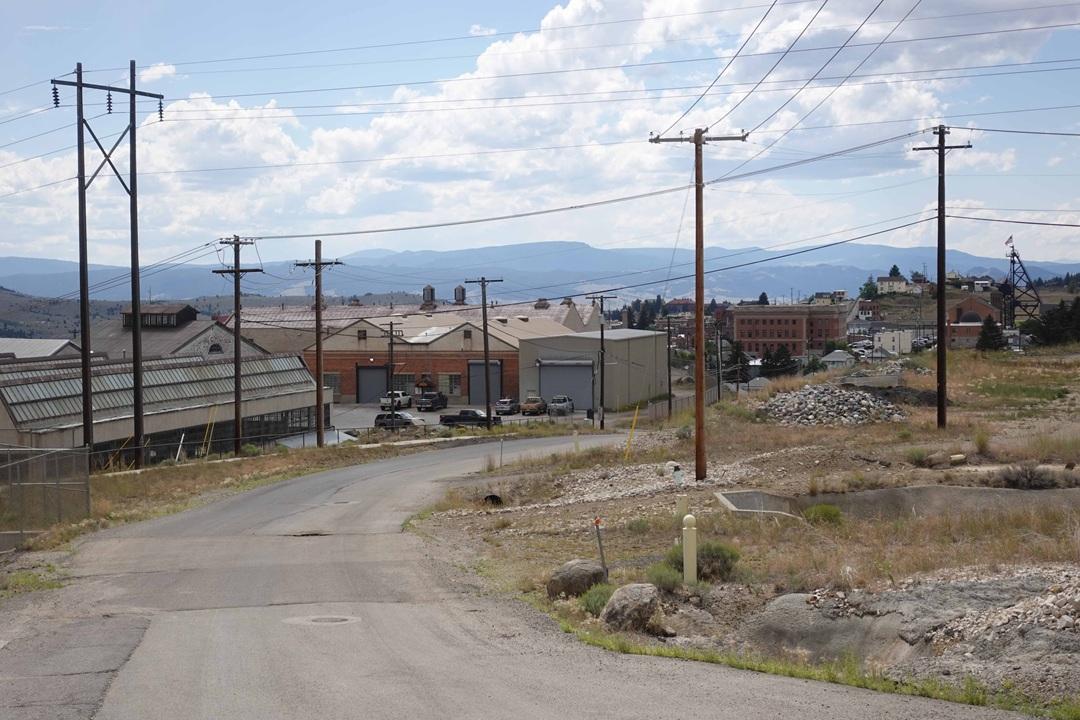
Labor unrest in Butte continued through the end of the decade, as the First World War ended and demand for copper declined. The IWW organized a strike against ACM in 1919 and another in April 1920. During the latter strike, the IWW established pickets near the Never Sweat mine where railroad tracks crossed Anaconda Road, which was the major street up Dublin Gulch that many miners used to walk to and from their shifts at ACM mines further up the Butte hill. Violence erupted on Anaconda Road on April 21. Earlier in the day, armed company guards, under the command of Roy Alley, assaulted some of the picketers, but the picketers refused to leave. Later in the day, after the sheriff had tried to convince the picketers to leave Anaconda Road, the gunmen under Alley’s command started firing on the pickets, who had turned to run. Sixteen men were wounded, all of them shot in the back, and one man, Thomas Manning, later died of his wounds in the hospital. Although Alley had claimed that the first shot had come from a boarding house along Anaconda Road, police officers and detectives who were on the scene later testified that all the gunfire had come from the company gunmen.
Miners in Butte remained unrepresented by a union until 1934 when, under protection of New Deal legislation intended to protect union-organizer efforts, the Butte Miners Union was once able to gain recognition by ACM as a local of the International Union of Mine, Mill, and Smelter Workers.
Images