Making a Difference
In the 1930s and 40s, African Americans in Butte advocated for better education, political presence, and social reform.
Residents established multiple clubs and associations including the Colored Democratic Club, Colored Progressive League, Colored Masons, and Crisenda Club. But the most notable social reforms came from women’s clubs.
Founded in 1902, the Afro-American Women’s Club is believed to be the first Black women’s club in Montana. This club sought ways to advance culture, music, industry, homelife, and the social level of women. They fought against racial discrimination and initiated the establishment of kindergartens, nurseries, and industrial classes to accommodate the need for childcare and education.
The Pearl Club (originally the Pearl Unit), founded in 1918, comprised a group of women who raised funds for soldiers during the First World War. The main goal of the club was to push for education and advancement of African Americans living in Montana.
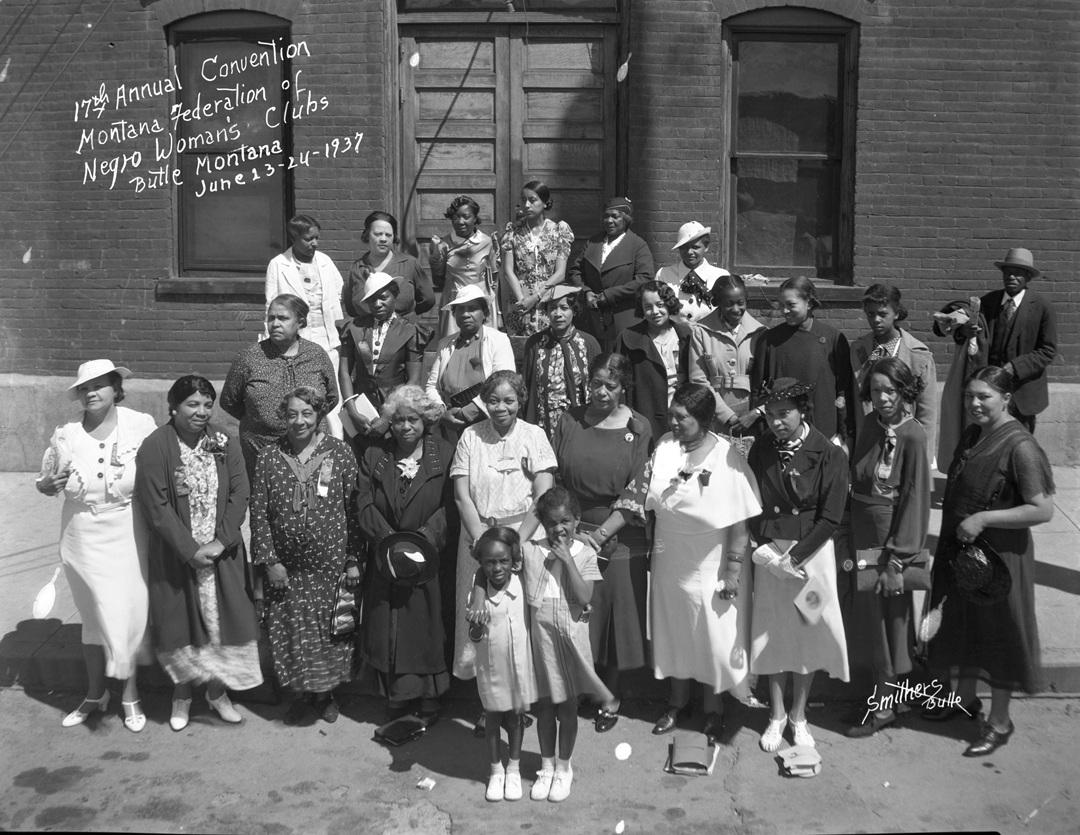
The Montana Federation of Colored Women was founded in 1921 by Armeta Duncan. The club was created to “encourage and uplift true womanhood and to promote interest in social uplift.” They actively fought prejudice, campaigning for civil rights in Montana laws. The club paid college tuition costs for dozens of African American students.
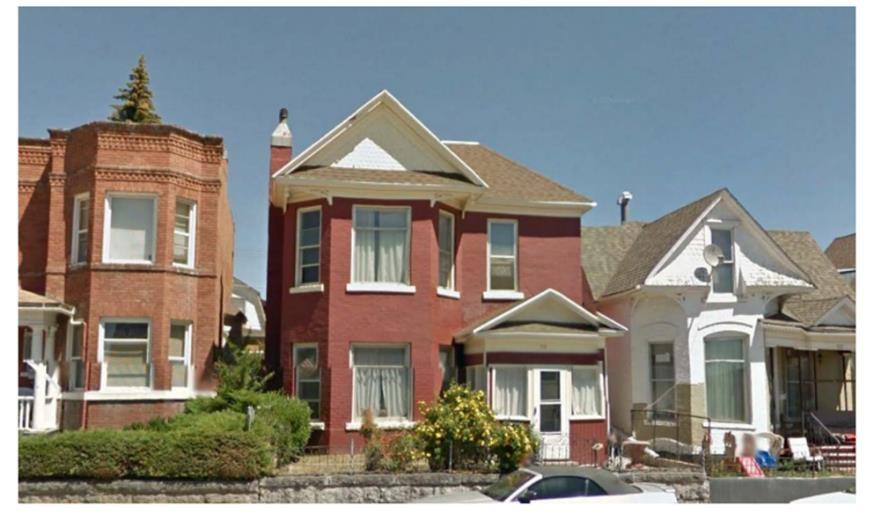
Armeta Duncan and her husband, Dr. John W. Duncan, lived in a stylish two-story Victorian house on West Park Street. The Duncan family were one of Butte’s most notable African American families; they were professional and commercial leaders as doctors, teachers, and business owners. Taking positions not often awarded to people of color, they pushed for reform, believing discrimination could be mitigated by education, self-help, and Black pride. John Walter Duncan published The New Age, Butte’s only African American newspaper between May 30, 1902, and February 7, 1903. The paper was the leading race journal of Montana, offering columns on news of the women’s club, social events, national events, and informing the community of political and legislative news.
Other influential families were the Browns, Fortunes and Fenters. In the 1920s Mary Brown found acclaim and success through her leadership of the African American Mining Company, which supported the city’s Black miners. Joseph Brown was part of an elite group of Black men allowed membership in Butte’s workers unions. His family came to Montana in the 1880s as one of the first African American families to settle in Butte. He was a member of the Machinists Union and employee of the Texaco Corporation for 20 years. Hiawatha and Henry Brown became sports heroes at Butte High School in the early 1930s, excelling in football, basketball and track. Hi later coached and was the recreation leader at Grant Elementary School. In the 1950s, the brothers were among an elite few who were employed as miners by the Anaconda Company. The Brown family most notably fought against racial barriers and advocated for their community, pushing for social acceptance and political rights, joining organizations typically reserved solely for white people and finding success in the mines and in commercial enterprises.
Charles “Elmo” Fortune was raised in Butte, attended Butte High School, and with the Brown brothers was one of few Black men allowed to work in the Anaconda Company’s Kelley Mine. While working in the mines, Elmo trained other men in the profession while maintaining their safety. He worked for the Anaconda Company most of his life.
Ophelia Fenter was Butte High School’s first Black home economics teacher, working 14 years for the district.
Images