Compressed Air
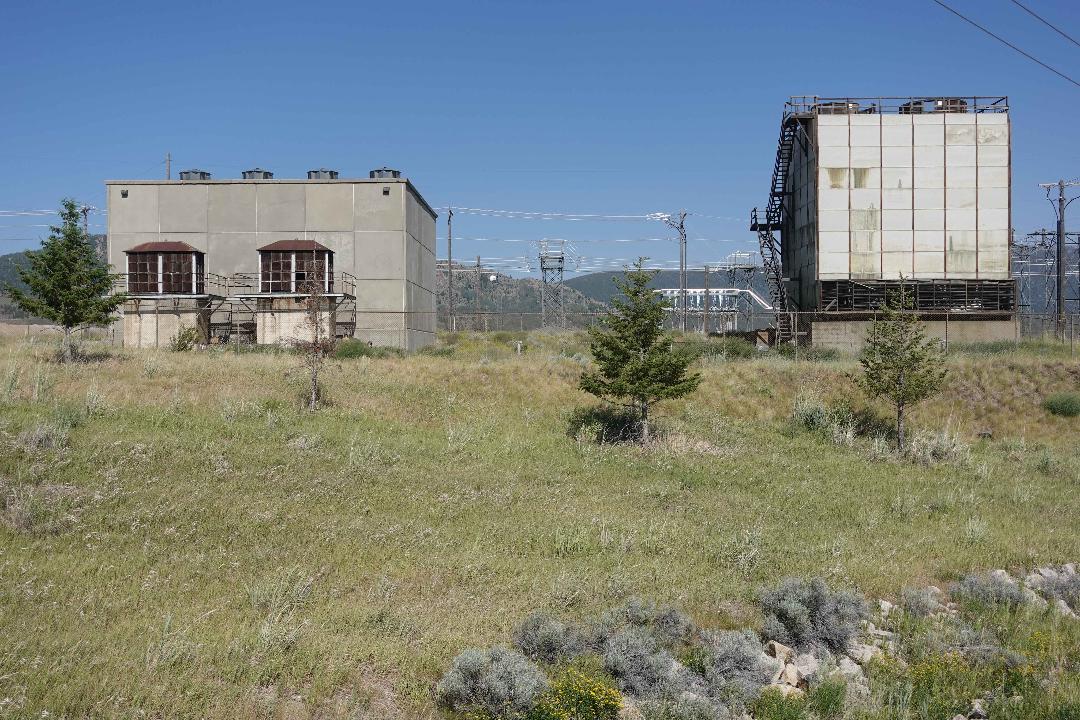
One of the most effective means of transmitting and storing power is compressed air, which was a major factor in mechanizing many facets of mining in Butte.
Mechanization entails several factors, including machines that can do the work once done by human hands, sources of energy to power the machines, and effective means of transmitting and storing the power so that it can be used by the machines when needed.
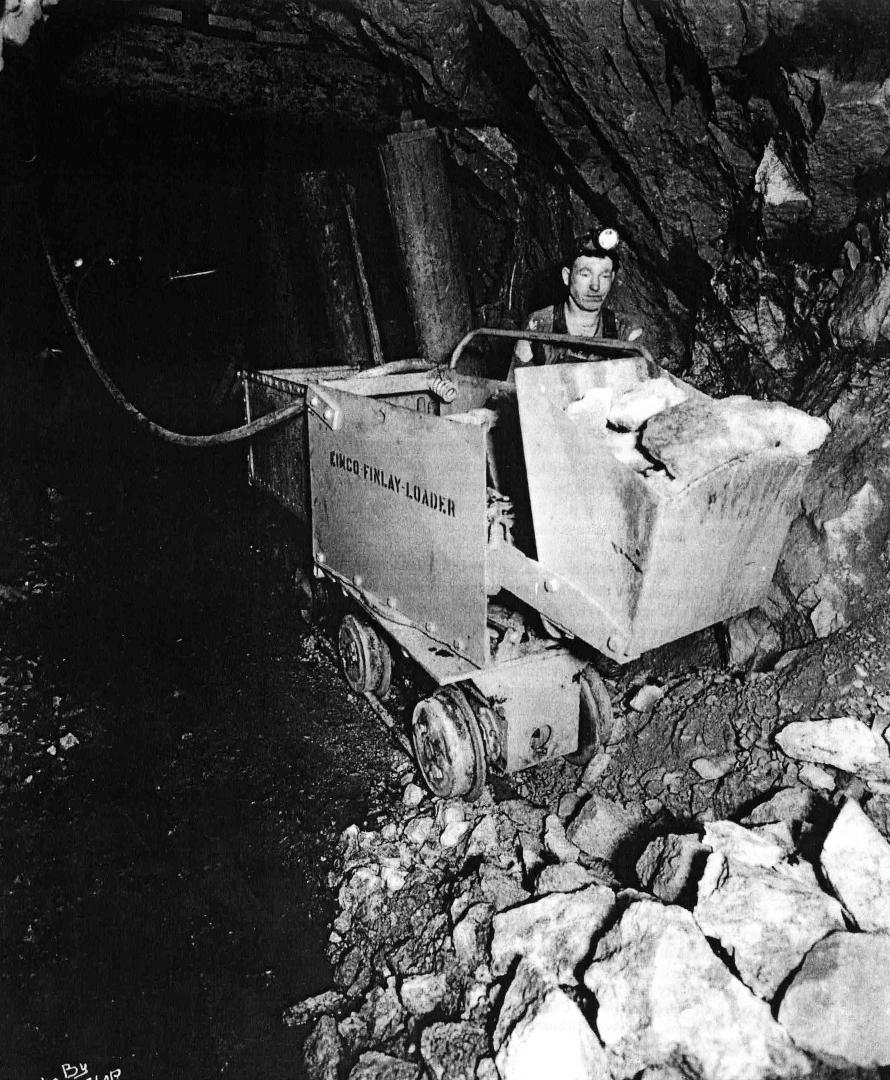
Prior to 1910, each mineyard in Butte was a distinct operation, with its own source of energy to fire boilers and drive the mine’s hoisting engine, air compressor, machine shop, framing shop, etc. Each mineyard therefore needed its own supply of coal, which was expensive. The mines had already begun to rely on electricity to light the underground workings and to power small locomotives for tramming ore on the surface. Beginning around 1900, mines started converting their air compressors and pumps to electric power as well. As Anaconda Copper Mining Company (ACM) began consolidating the hydroelectric generating stations in Montana to form the closely allied Montana Power Company, ACM engineers began to study whether it would be feasible to use electric power for hoisting as well. ACM and its associated companies (all under Amalgamated control) operated 22 mines in Butte, 15 of which had fairly large hoisting engines. The engineers concluded that it would be impractical to convert them all to electric hoisting, because each shaft operated on its own schedule, meaning fluctuations in the electric load would be too large and erratic for the controls at the distant hydroelectric stations to respond sufficiently to provide power when it was needed. A better solution would be to use the electricity to produce compressed air.
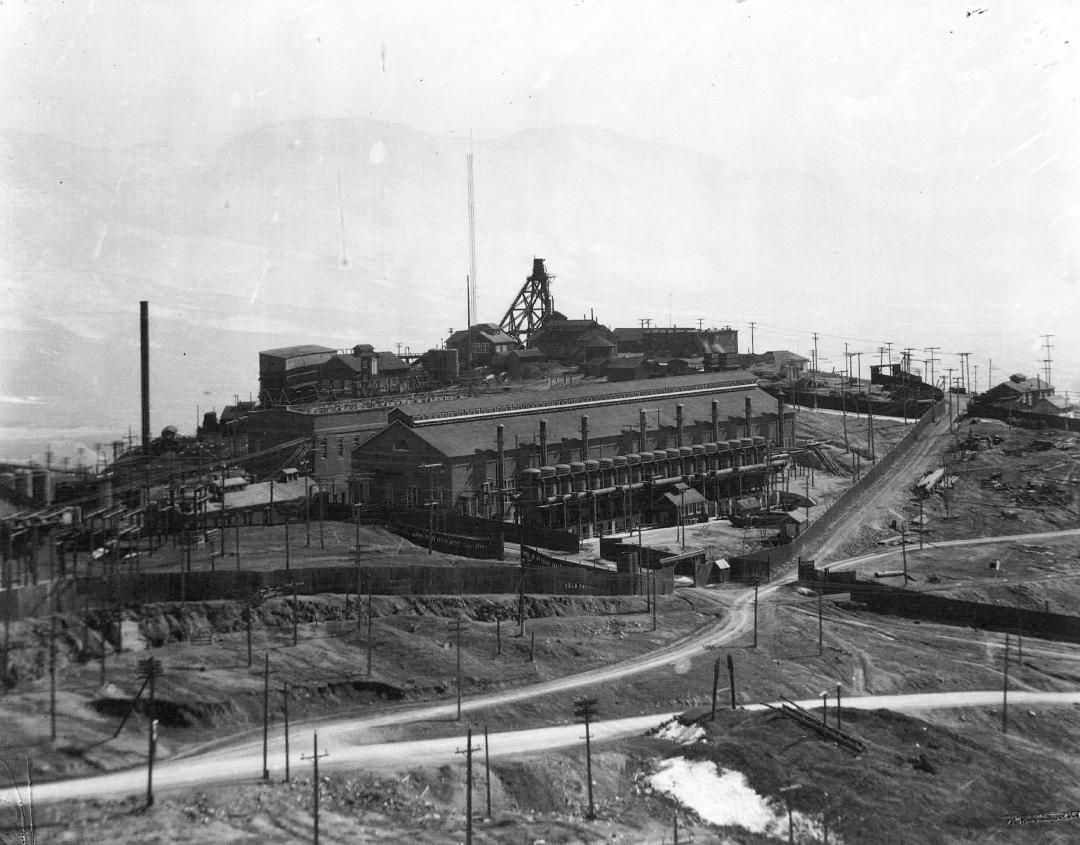
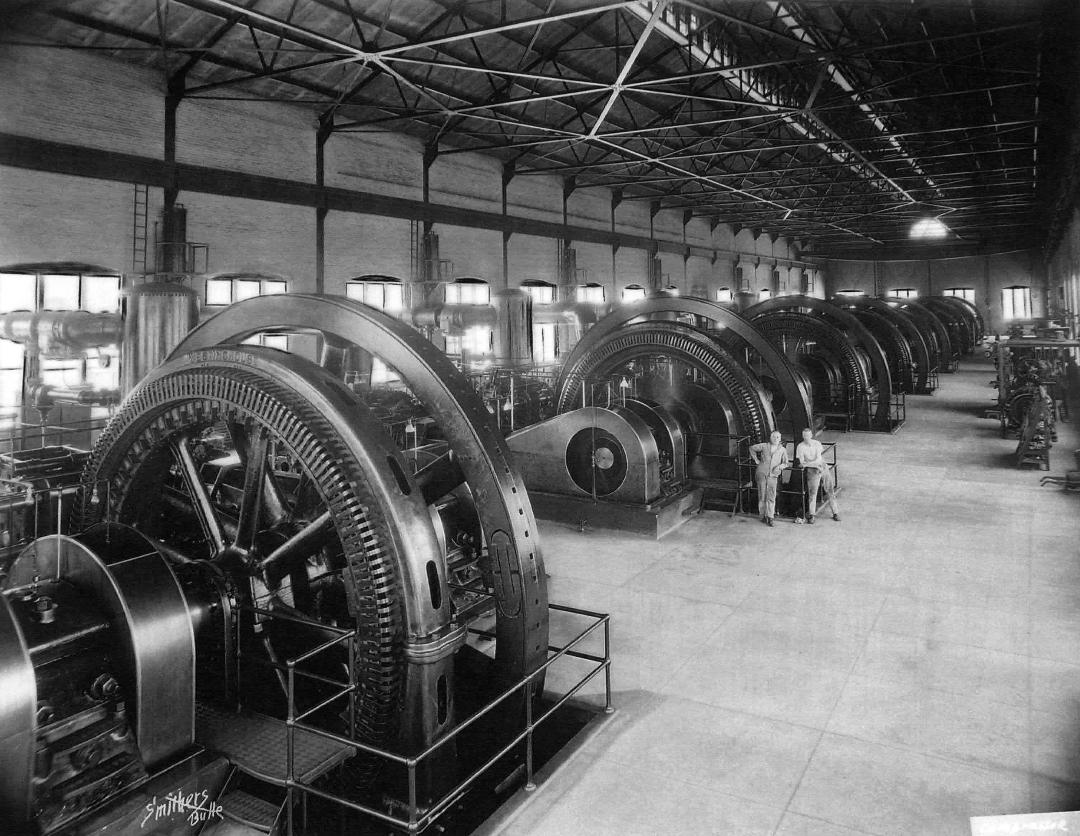
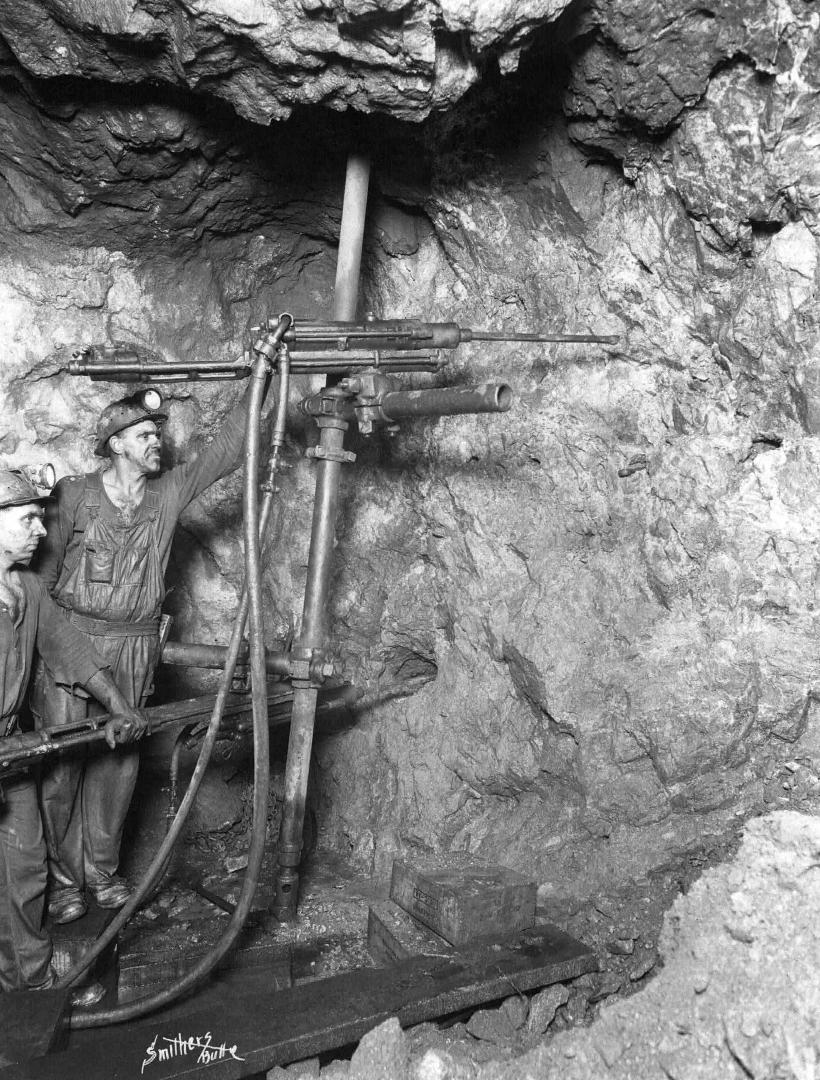
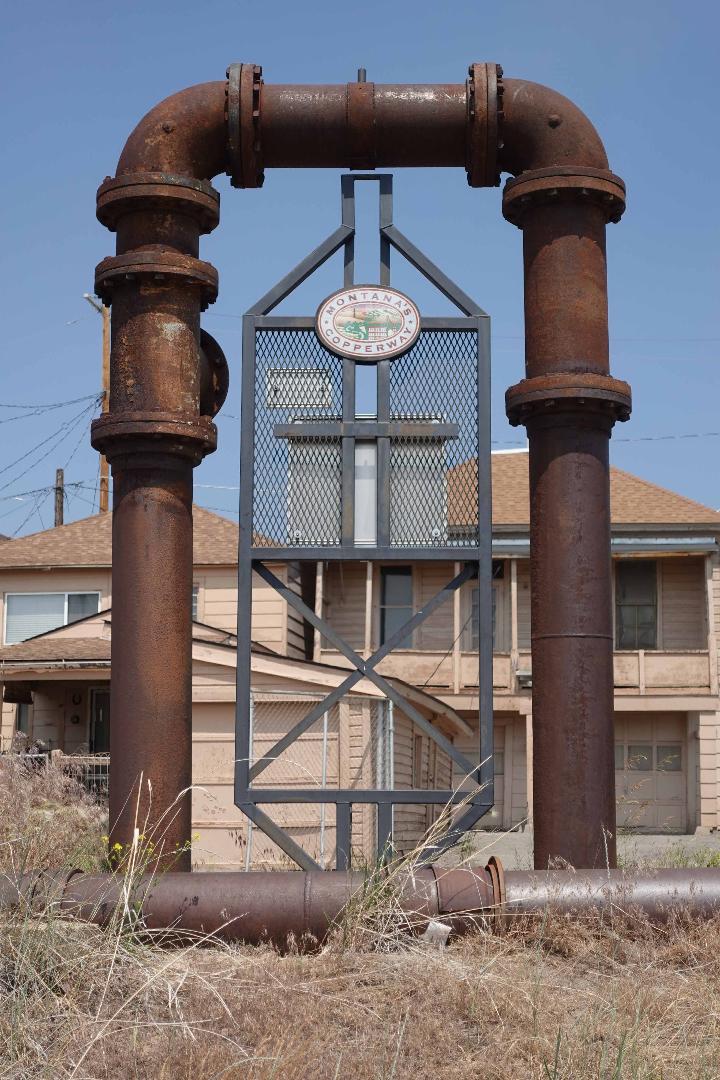
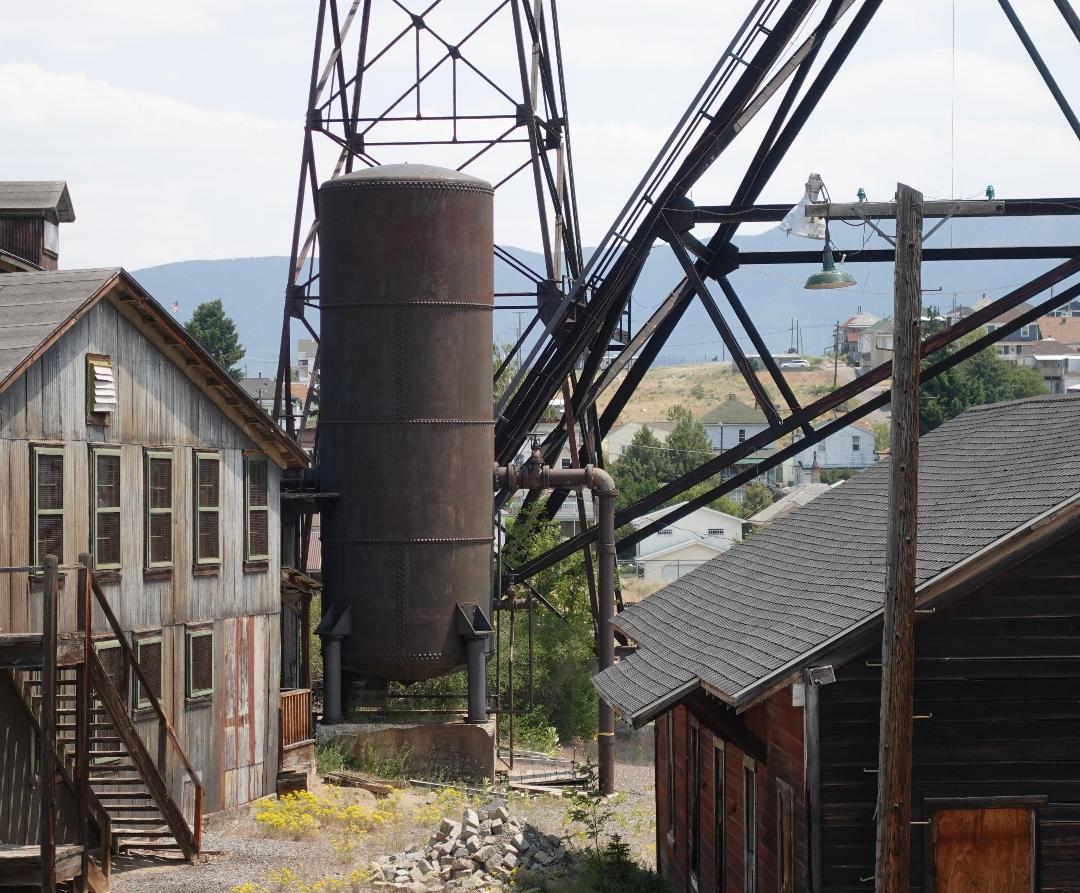
ACM built a centralized compressor plant at the High Ore mine. The plant was equipped with giant receivers, the tanks that hold compressed air. Those receivers would allow the electric motors and compressors to run efficiently at a constant speed. A network of pipes then delivered compressed air across the Butte Hill to each of the mineyards. Only minor modifications were required to convert existing steam hoists to hoisting engines powered by compressed air. New receiver tanks next to each hoist house were connected to the network of pipes constantly supplied with compressed air, and the receivers provided nearby storage to assure that there was sufficient air to satisfy the sudden load when an engine started hoisting rock. The centralized compressor plant and the network of pipes also meant that each mine no longer had to supply its own compressed air for the rock drills underground, although some mines, like the Original, Diamond, and Leonard continued to operate large compressor plants for rock drills.
By the late 1920s, control mechanisms at hydroelectric dams were sufficient to respond to sudden surges in load, making it possible for ACM to start replacing old hoisting engines with new electric hoists. Today, all the surviving hoisting engines in Butte are electric except those at the Original and the Steward, which are the old steam hoisting engines that were converted to compressed air. The Anaconda Company eventually took the Butte Hoist Plant at the High Ore out of service as the need for compressed air declined when mines converted to electric hoisting, and as expansion of the Berkeley Pit began to encroach on the High Ore mineyard. It was replaced with smaller compressor plants at the Kelley mine and the site of the former Corra mine.
Images